Deciding what to eat every single day can feel exhausting—and when time is tight, convenience usually wins. That often means overpriced takeout or less‑than‑healthy options that don’t support your goals. This guide is built to change that. Inside, you’ll discover healthy meal prep strategies that simplify your week, reduce decision fatigue, and make nutritious eating automatic. We’ll walk through practical planning methods, efficient cooking tips, and smart storage techniques to keep meals fresh and satisfying. By the end, you’ll have a clear, sustainable system that turns meal prepping from a chore into a powerful tool for reclaiming your time and energy.
Step 1: Master Your Meal Prep Blueprint
By incorporating some strategic meal prep techniques, you can not only save time during your busy week but also set the stage for experimenting with nutritious options like those found in our article on Athletic Meal Recipe Twspoondietary.
A year ago, I was ordering takeout three nights a week and wondering why my energy kept crashing by Thursday. So I blocked off Sunday at 3 PM and treated it like a meeting I COULDN’T MISS. That single habit changed everything.
Choose Your Prep Day
Consistency builds momentum (think of it like brushing your teeth—you don’t debate it). Pick a 2–3 hour block each week and protect it. Mine is Sunday afternoon, when the week still feels manageable.
Create a Simple Menu
Start small. Two or three versatile recipes are enough. For example: grilled chicken, roasted vegetables, and quinoa. Mix them into bowls, wraps, or salads. Shared ingredients keep costs down and reduce waste. This is one of the most underrated healthy meal prep strategies I’ve used.
Build a Smart Grocery List
Organize by section to move fast and avoid impulse buys:
- Produce
- Protein
- Pantry
- Frozen
(Pro tip: never shop hungry. I learned that the hard way.)
Inventory Your Kitchen
Before shopping, check your fridge, freezer, and pantry. I once bought three bags of rice because I skipped this step. Not my finest moment.
Start with one focused session. Build the routine. THEN optimize.
The Building Blocks of a Perfect Prep
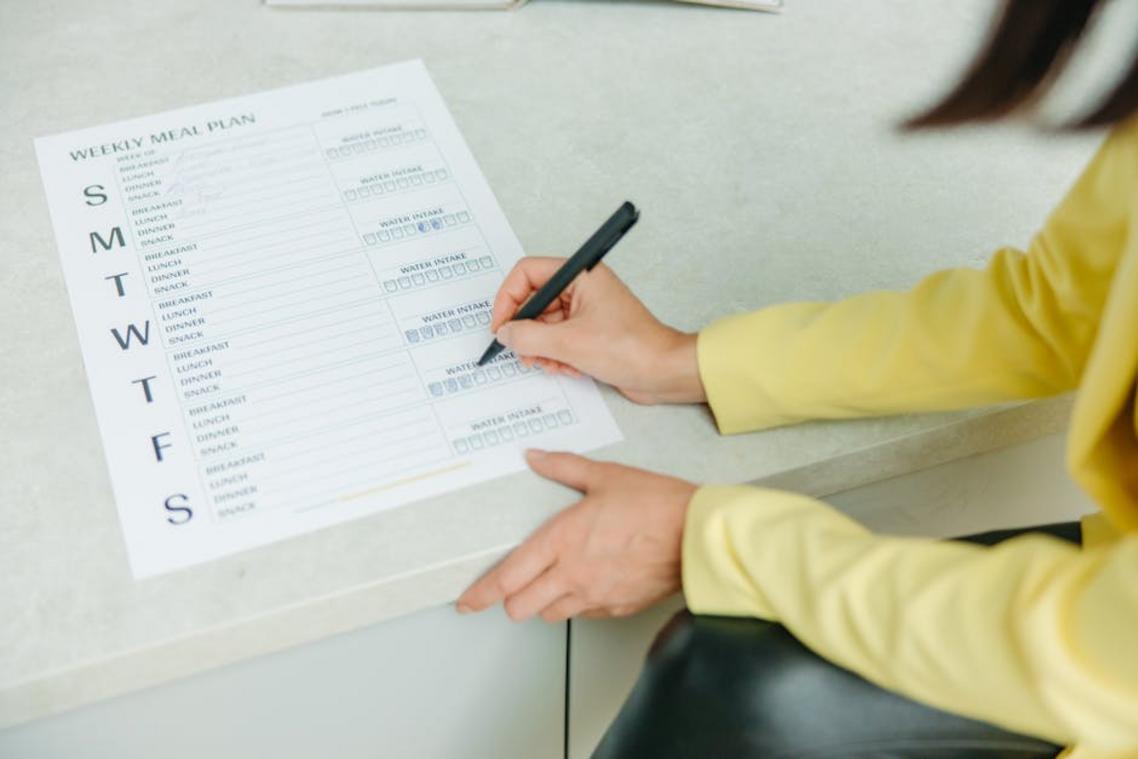
A great week of eating doesn’t happen by accident. It’s built—intentionally—with smart systems and a little foresight. Think of meal prep like setting up dominoes: once aligned, everything else falls into place (in a good way).
Here’s the foundation:
- Batch Cook Lean Proteins: Focus on versatile options like grilled chicken breast, baked salmon, hard-boiled eggs, or a large pot of lentils. Season simply to allow for different flavor profiles later.
- Prepare Complex Carbohydrates: Cook large batches of quinoa, brown rice, or roasted sweet potatoes. These serve as a filling base for bowls, salads, or side dishes.
- Roast or Steam Vegetables: Focus on sturdy vegetables like broccoli, bell peppers, carrots, and green beans that hold up well after refrigeration. Roasting enhances flavor, while steaming retains nutrients.
- Wash and Chop Fresh Greens: Prepare lettuce, spinach, and kale by washing, thoroughly drying, and storing with a paper towel to absorb moisture, keeping them crisp for salads.
Some critics argue meal prep kills spontaneity and leads to bland, repetitive meals. That can happen—if you prep without variety. But when you keep seasoning flexible and mix components creatively, you get structure and freedom.
Here’s my prediction (clearly speculation): as food costs rise and schedules get tighter, more households will adopt healthy meal prep strategies as a default lifestyle habit—not just a fitness phase. We’re already seeing growing interest in batch cooking and macro-balanced planning.
Pro tip: store sauces separately to prevent soggy meals and flavor fatigue.
The future of nutrition may be less about strict diets and more about prepared flexibility—modular meals that adapt to your week, not control it.
Keep It Fresh: Storage Hacks for Delicious Meals All Week
Meal prep only works if your food still tastes good on Thursday. Here’s how to make that happen.
Invest in Quality Containers
Choose airtight glass containers over plastic. Glass doesn’t stain, won’t trap odors, and moves safely from fridge to microwave. That means fewer dishes and no lingering curry smell (we’ve all been there). Pro tip: square containers maximize fridge space better than round ones.
The Art of Component Prepping
Instead of pre-assembling full meals, store proteins, grains, vegetables, and sauces separately. This prevents sogginess and keeps textures intact. Grilled chicken stays juicy, roasted veggies stay crisp, and sauces don’t overwhelm everything by day three. It’s one of the simplest healthy meal prep strategies that actually works.
Master the Mason Jar Salad
Layer strategically: dressing first, then sturdy vegetables (like carrots or cucumbers), grains or beans, protein, and leafy greens on top. When you’re ready to eat, just shake and pour. No wilted lettuce.
Cool Food Completely
Let cooked food cool before sealing it. Trapped steam creates condensation, which can encourage bacterial growth. According to the USDA, refrigerate perishables within two hours for food safety.
For smarter nutrition planning, explore understanding micronutrients and why they matter. Fresh meals are great—but balanced ones are better.
Start with an anecdote about Sunday chaos: I once burned chicken while answering emails and nearly gave up on cooking altogether. That week taught me that prep is less about perfection and more about leverage. Here are the flavor bombs and shortcuts that changed everything:
- Create small jars of dressings or spice blends; a lemon-herb vinaigrette can rescue plain greens.
- Double soups and freeze half for hectic weeks (future you will be grateful).
- Portion nuts and chop veggies to win the 3 p.m. slump.
I rely on these healthy meal prep strategies when work stacks up like a season finale cliffhanger. Critics say spontaneity keeps food exciting, and they are not wrong. But the Cook Once Eat Twice method proves structure creates freedom, not boredom. Dinner becomes tomorrow’s lunch, and cravings lose their drama. Pro tip: label freezer meals with dates to avoid mystery containers. Small moves.
Your Path to Effortless, Healthy Eating Starts Now
You came here looking for a simpler way to eat well without the overwhelm. Now you have the essential tools to turn healthy meal prep strategies into a routine that actually fits your life. No more last-minute takeout or staring into the fridge wondering what’s for dinner. That daily stress is replaced with confidence, structure, and meals that support your goals.
Remember, success comes from consistency—not complexity. Start small. Prep one or two meals this week and build from there.
If you’re tired of wasting time and energy on food decisions, take action now. Pick one tip, apply it this week, and start reclaiming control of your health today.
 Ask Joseph Stronginers how they got into foundational fitness routines and you'll probably get a longer answer than you expected. The short version: Joseph started doing it, got genuinely hooked, and at some point realized they had accumulated enough hard-won knowledge that it would be a waste not to share it. So they started writing.
What makes Joseph worth reading is that they skips the obvious stuff. Nobody needs another surface-level take on Foundational Fitness Routines, Healthy Living Hacks, Functional Training Protocols. What readers actually want is the nuance — the part that only becomes clear after you've made a few mistakes and figured out why. That's the territory Joseph operates in. The writing is direct, occasionally blunt, and always built around what's actually true rather than what sounds good in an article. They has little patience for filler, which means they's pieces tend to be denser with real information than the average post on the same subject.
Joseph doesn't write to impress anyone. They writes because they has things to say that they genuinely thinks people should hear. That motivation — basic as it sounds — produces something noticeably different from content written for clicks or word count. Readers pick up on it. The comments on Joseph's work tend to reflect that.
Ask Joseph Stronginers how they got into foundational fitness routines and you'll probably get a longer answer than you expected. The short version: Joseph started doing it, got genuinely hooked, and at some point realized they had accumulated enough hard-won knowledge that it would be a waste not to share it. So they started writing.
What makes Joseph worth reading is that they skips the obvious stuff. Nobody needs another surface-level take on Foundational Fitness Routines, Healthy Living Hacks, Functional Training Protocols. What readers actually want is the nuance — the part that only becomes clear after you've made a few mistakes and figured out why. That's the territory Joseph operates in. The writing is direct, occasionally blunt, and always built around what's actually true rather than what sounds good in an article. They has little patience for filler, which means they's pieces tend to be denser with real information than the average post on the same subject.
Joseph doesn't write to impress anyone. They writes because they has things to say that they genuinely thinks people should hear. That motivation — basic as it sounds — produces something noticeably different from content written for clicks or word count. Readers pick up on it. The comments on Joseph's work tend to reflect that.