
Ever found yourself wide awake at 2 AM, staring at the ceiling, mind racing? I get it. Our hectic lives, endless screen time, even our health routines can mess with our sleep.
It’s a real problem, leaving us running on empty. But sleep is key (yet often neglected). It’s the foundation for everything from muscle recovery to clear thinking.
Here’s the good news: I’m here to help. We’re diving into better sleep tips that actually work. Forget the tired advice about cutting coffee.
We’ll dig deeper, exploring how your environment, nutrition, and habits can lead to truly restful sleep.
Why trust this? My background in complete wellness and fitness gives me the insight needed. You’ll learn to improve your life for better sleep.
Ready for a change? Let’s make it happen.
Create a Sleep Sanctuary: Beyond Just a Bedroom
Ever wonder why you toss and turn all night? It’s your brain. It forms strong connections with environments, making your bedroom a key space.
If your room screams relaxation, guess what? Better sleep follows. No work gadgets, no TVs.
Just your sleep sanctuary.
The “Blackout” plan is a game-changer. Ever heard of melatonin? It’s that little hormone that tells you it’s bedtime.
Light messes with it. Blackout curtains and sleep masks are perfect. Even those tiny LED lights on electronics can mess with your brain’s rhythm.
Cover them. Your sleep clock? It will thank you.
Feeling sweaty when you sleep? That’s a problem. Cooler rooms (around 65°F or 18°C) work wonders for better sleep.
Your body associates cool with sleep time, signaling you to rest. Try a fan. Not just for cooling, it also helps with noise.
Speaking of noise, not all sounds disrupt sleep. White noise can actually help. It masks annoying sounds, lulling you to rest.
Try a white noise machine or even just a simple fan. But hey, earplugs are gold too if you prefer silence.
A cluttered room equals a cluttered mind. Your brain needs a break from chaos so it can focus on sleep. It’s about creating the vibe.
Clean space, calm mind.
And for a full lifestyle overhaul, why not pair these tips with some Simple Morning Habits Healthier Lifestyle? It’s a full circle. You start and end your day right.
Better sleep tips aren’t just about the night, they’re about how you live, morning to night.
Fuel Your Body for Restful Nights: Eat Your Way to Sleep
Let’s talk about food. It’s not just fuel for your day, but also for your night. You want those restful nights?
Connect what you eat to how you sleep. Trust me, it’s a game-changer.
Magnesium-rich foods like almonds and spinach can work wonders. Think of magnesium as a muscle relaxant. It calms your body, preparing it for a peaceful night.
Tryptophan-rich foods like turkey and oats? They’re your go-to for serotonin production, which then converts to melatonin, the sleep hormone. It’s like a natural sedative.
Now, let’s cut to the chase (what) you shouldn’t eat. Sure, you know about caffeine and alcohol. But do you consider those heavy, fatty meals or sugary snacks late at night?
They’re sleep-sabotagers. They mess with your digestion and blood sugar, waking you up at odd hours.
Meal timing is key. Finish your last big meal 2-3 hours before hitting the sack. Give your body time to digest.
If hunger strikes later, go for a small snack with protein and carbs. It keeps your metabolism steady without overloading your system.
It’s a simple tweak for better sleep tips.
And don’t forget about hydration. Stay hydrated during the day. But ease up on fluids 1-2 hours before bed to avoid those annoying bathroom trips.
Think about this next time you raid the kitchen at night. Your sleep depends on it. Make food your tool for better rest.
It’s all about choices.
Move Right, Sleep Tight: Timing Your Workouts for Better Rest
Think any exercise will help you sleep better? That’s a myth. Timing and intensity are key to getting quality sleep.
Morning or afternoon workouts are your best bet. Why? When you exercise earlier, you soak up sunlight, raising your body temperature.
This tunes your circadian rhythm, making you naturally sleepy at night. It’s all about setting your internal clock.
But maybe mornings aren’t your thing. If you’re stuck with evenings, keep it chill. A casual walk or some yoga works wonders without revving you up.
High-intensity stuff like HIIT or heavy lifting? Avoid within three hours of bedtime. Trust me, you’ll thank yourself when you’re not staring at the ceiling at 2 AM.
For those who need a wind-down routine, try a simple stretch session. Spend 5-10 minutes easing tension in the neck, shoulders, and hips. Start with neck rolls and shoulder shrugs.
Follow it up with a gentle forward bend and a hip flexor stretch. These help your body relax and prepare for rest. It’s like telling your muscles it’s time to chill.
Speaking of winding down, have you considered how other aspects of your lifestyle impact sleep? Exploring eco friendly living sustainable choices can bring balance, reducing stress and promoting better rest. It’s all connected.
These are your better sleep tips. Set up them tonight and feel the difference. Your body and brain deserve the best rest possible.
So, are you moving your body right for better sleep?
Master the ‘Wind-Down’ Routine: Your Key to Better Sleep
Alright, let’s talk about the mental game of sleep. Ever find your mind racing just when you want to wind down? You’re not alone.
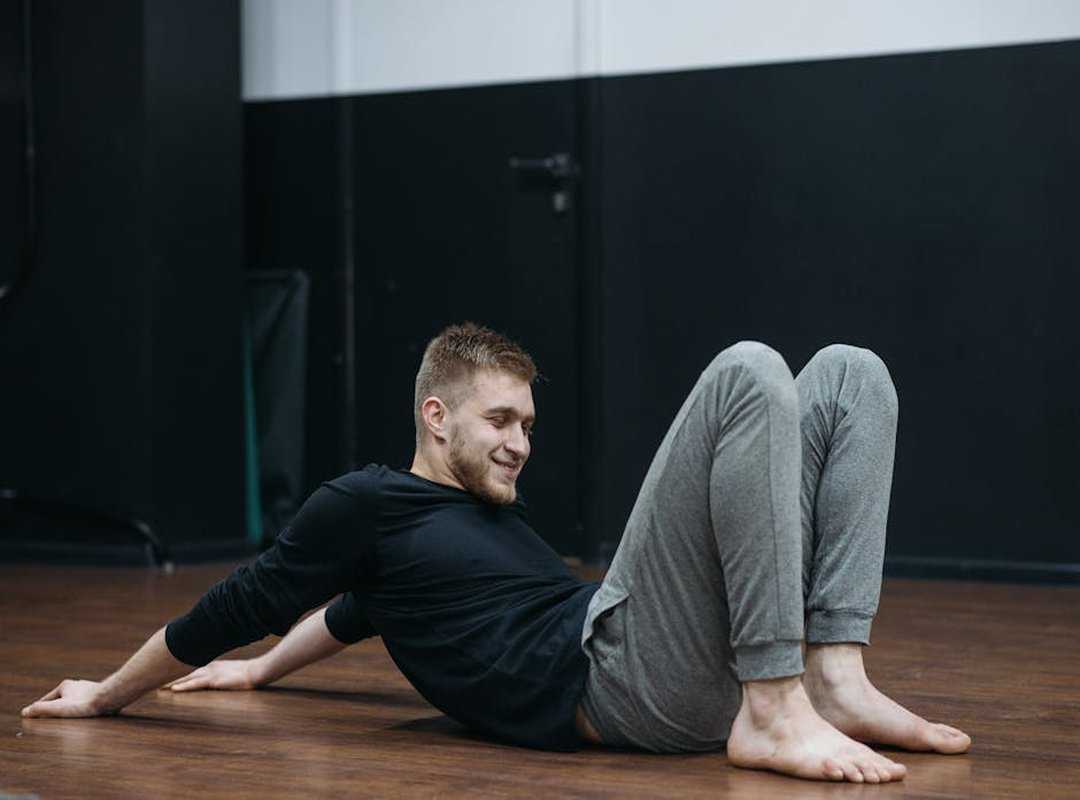
This is where mastering a ‘wind-down’ routine becomes non-negotiable.
Let’s start with the ‘Digital Sunset’ rule. This might sound a bit dramatic, but hear me out. Blue light from screens tricks your brain into thinking it’s daytime.
So, putting all screens down at least 60-90 minutes before bed is key. It’s not just a suggestion; it’s a necessity for quality shut-eye.
Wondering what to do without screens? Try reading a physical book (not a tablet) (the) kind where you can feel the pages. Or listen to a calm podcast or audiobook.
Journaling is another option. Jotting down thoughts can magically clear your mind. It’s called a ‘Brain Dump’.
Spend five minutes writing everything on your mind (random) thoughts, worries, to-do lists. This simple act can ‘outsource’ your stress from head to paper.
Ever tried a warm bath or shower before bed? The magic happens when you get out. Your body temperature drops, mimicking the natural temperature drop that signals sleep.
It’s science, not just a cozy ritual.
These tips might seem small, but they add up. For more on fine-tuning your sleep routine, check out these 8 secrets to a good nights sleep. Because who wouldn’t want a better night’s sleep?
Wide Awake: Your Nighttime Emergency Plan
We’ve all been there, staring at the ceiling in frustration. Here’s a better sleep tip: embrace the ’15-Minute Rule.’ If you’re awake for over 15-20 minutes, get up. Seriously, just do it.
Move to another room, grab that dull book, and read in dim light. Why? It breaks the mental link between your bed and that nagging anxiety.
Now, let’s talk breathing. Try the 4-7-8 method. Inhale for four seconds, hold for seven, and exhale for eight.
It’s a simple way to soothe your nervous system.
And if sleep won’t come, consider ‘Non-Sleep Deep Rest’ (NSDR). Even without sleep, guided meditation or yoga nidra podcasts can relax you deeply. No pressure to conk out, just rest.
Get Your Best Sleep Tonight
Tired of tossing and turning? You don’t have to suffer. Building simple habits is your ticket to restful nights.
Follow these better sleep tips and see the change. Pick one or two to try tonight. Why wait?
Start sleeping better now. You’re just a step away from a good night’s sleep.
 Deyvian Zelthorne has opinions about functional training protocols. Informed ones, backed by real experience — but opinions nonetheless, and they doesn't try to disguise them as neutral observation. They thinks a lot of what gets written about Functional Training Protocols, In-Depth Wisdom, Foundational Fitness Routines is either too cautious to be useful or too confident to be credible, and they's work tends to sit deliberately in the space between those two failure modes.
Reading Deyvian's pieces, you get the sense of someone who has thought about this stuff seriously and arrived at actual conclusions — not just collected a range of perspectives and declined to pick one. That can be uncomfortable when they lands on something you disagree with. It's also why the writing is worth engaging with. Deyvian isn't interested in telling people what they want to hear. They is interested in telling them what they actually thinks, with enough reasoning behind it that you can push back if you want to. That kind of intellectual honesty is rarer than it should be.
What Deyvian is best at is the moment when a familiar topic reveals something unexpected — when the conventional wisdom turns out to be slightly off, or when a small shift in framing changes everything. They finds those moments consistently, which is why they's work tends to generate real discussion rather than just passive agreement.
Deyvian Zelthorne has opinions about functional training protocols. Informed ones, backed by real experience — but opinions nonetheless, and they doesn't try to disguise them as neutral observation. They thinks a lot of what gets written about Functional Training Protocols, In-Depth Wisdom, Foundational Fitness Routines is either too cautious to be useful or too confident to be credible, and they's work tends to sit deliberately in the space between those two failure modes.
Reading Deyvian's pieces, you get the sense of someone who has thought about this stuff seriously and arrived at actual conclusions — not just collected a range of perspectives and declined to pick one. That can be uncomfortable when they lands on something you disagree with. It's also why the writing is worth engaging with. Deyvian isn't interested in telling people what they want to hear. They is interested in telling them what they actually thinks, with enough reasoning behind it that you can push back if you want to. That kind of intellectual honesty is rarer than it should be.
What Deyvian is best at is the moment when a familiar topic reveals something unexpected — when the conventional wisdom turns out to be slightly off, or when a small shift in framing changes everything. They finds those moments consistently, which is why they's work tends to generate real discussion rather than just passive agreement.