
Do you ever feel gym strong but struggle with everyday tasks like carrying groceries or lifting your kids? You’re not alone. Many of us hit the gym, yet still find ourselves winded or achy after a day of gardening.
What if your workouts could actually make daily life easier? functional training everyday comes in. It’s about preparing your body for real-life physical demands.
This isn’t just some trend. It’s backed by science. We’ve dug into the principles of human movement and foundational training to bring you a method that builds lasting, practical strength.
No more wasted hours lifting weights that don’t translate to real-world activities.
This article will guide you through understanding and implementing a daily functional fitness routine. Get ready to make life not just manageable but enjoyable.
Beyond the Bicep Curl: Redefining ‘Fitness’ for the Real World
Let’s talk about functional fitness. It’s not about sculpting isolated muscles like a statue. It’s about training your body to move efficiently in everyday activities.
Imagine this: you’re not just pumping iron for those biceps. Instead, you’re prepping the entire ‘pulling’ motion you use to yank a lawnmower cord or hoist a suitcase. Makes sense, right?
Functional training everyday is a game changer. It’s about quality of life. Traditional bodybuilding has its place, sure.
But functional fitness? It’s designed to make you better at life. Ever tried carrying groceries or playing with kids? this shines.
It reduces injury risk, keeping you in the game longer.
Now, the daily grind. Science tells us consistency trumps intensity. Think short, daily sessions.
They’re better for building neuromuscular coordination and sustainable habits than sporadic, high-octane workouts. I know, it sounds simple, but it’s solid. This is your ticket to capability and freedom.
We should shift our perspective. Exercise isn’t just about aesthetics. It’s about training for life.
This mindset is empowering. You’re not just working out for the mirror. You’re training to live better.
Want to learn more about how this can fit into your routine? Check out this guide. It’s all about the benefits of crossfit full fitness.
So, are you ready to redefine what fitness means to you?
The 6 Primal Movements That Power Your Day
Let’s get real. Everything you do. Yes, everything (comes) down to six core movements.
They’re the building blocks of how we move. Ignore them, and you’re setting yourself up for trouble.
Push is all about exerting force. Think of it as pushing a door open or lifting something overhead. You can’t escape the demands of pushing. Functional training everyday incorporates this movement because it’s a must-do, not a nice-to-have.
Pull is its counterpart. Pulling that heavy door open or carrying your backpack? That’s your back and arms doing the talking. It’s about strength, sure, but also about balance. You want to be pulling your weight (literally) and figuratively.
Then there’s Squat. Don’t just think gym squats. Think of getting up from a chair or lifting a heavy box without wrecking your spine.
Squats ground you, make you stable, and let’s face it, they’re the secret to making your legs work like they should.
Hinge is the art of bending without breaking. Picking things up off the floor without yanking your back? That’s a hinge. It’s the unsung hero of functional movement. You should be doing this daily, no contest.
Lunge is about single-leg strength. Ever climb stairs? You’re lunging. It’s key for reacting quickly (think) of catching yourself in a stumble. Not glamorous, but important.
Finally, Carry. The ultimate test of everyday strength. Farmer’s Walks train you to lug groceries, children, or luggage without collapsing.
And let’s be honest, life demands this kind of strength.
For more on this, check out functional fitness 101: practical exercises for everyday …. Master these movements, and you’ve got a toolkit for life.
Your Blueprint: 20-Minute Functional Fitness
to the functional training everyday routine. It’s quick, effective, and you can do it at home. No excuses.
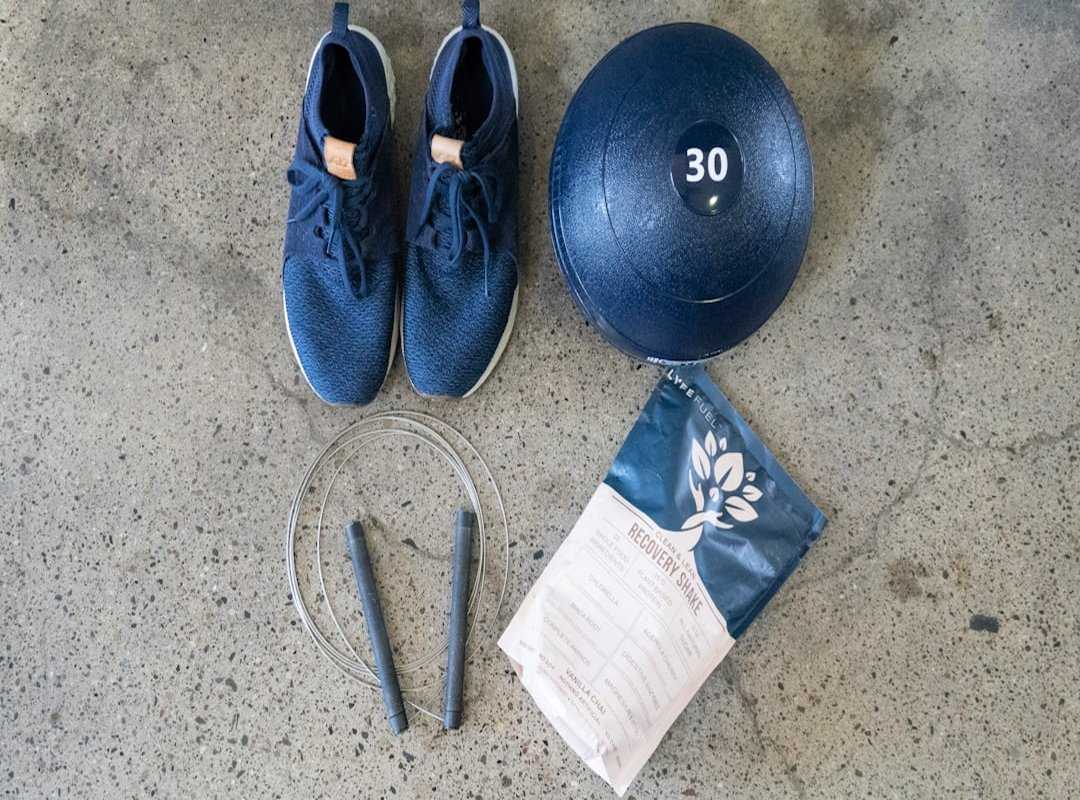
Start with a warm-up. Three minutes. That’s all.
I like to do Cat-Cow stretches to get my spine ready, and then some leg swings and arm circles. It’s about waking up those muscles.
The main set is where the fun begins. Here’s the deal: each day, pick one exercise from four categories. Lower body?
Go for squats or lunges. Upper body push? Try push-ups.
For a pull, I love dumbbell rows. And don’t skip the core (planks) are your friend. Mix it up.
Want a sample week? I’ve got you. Monday, hit goblet squats, push-ups, and dumbbell rows.
Keep it fresh.
Tuesday, switch to lunges, overhead press, and plank. Wednesday, maybe deadlifts, incline push-ups, and TRX rows. You get the idea.
It’s not rocket science, but it works.
Don’t forget the cool-down. Two minutes of static stretches. Focus on the muscles you just worked.
Quad stretch, chest stretch. Simple but effective.
The goal here isn’t to exhaust you. It’s consistency. Show up every day, and you’ll see results.
It’s a solid investment in your future self. Let’s be real: 20 minutes isn’t much. Yet, it can transform your fitness journey.
If you’re curious about integrating these movements into a broader routine, check out this Integrating Functional Movements Workout Routine. It’s a solid resource.
Remember, the magic is in showing up. This routine is like brushing your teeth. Daily, non-negotiable.
And the benefits? They stack up. So, are you in?
Fuel for Function: Simple Nutrition for Daily Efforts
Let’s get real. You can’t out-train a bad diet. It’s like trying to run a marathon in flip-flops.
Fueling your body right is important if you’re into functional training everyday. Why? Because the right fuel is what transforms effort into results.
Prioritize Protein. Protein is the building block for muscle repair. After pushing through a workout, your muscles need to rebuild stronger. Eggs, Greek yogurt, lean meats, or legumes are easy options. You don’t have to get fancy. Just get enough.
Now, onto carbs. Not all carbs are the enemy. Embrace smart carbs.
Complex carbs like oats, brown rice, and sweet potatoes provide sustained energy. They keep you moving and grooving without the crash. Processed carbs?
Those are best left on the store shelf.
Hydration is non-negotiable. Even slight dehydration can zap your energy, drag down performance, and mess with your joints. Drink water regularly.
Even when you’re not thirsty. A simple tip? Keep a water bottle handy.
It’s a small move, but it makes a huge difference.
Pro tip: Start your day with a glass of water. It sets the tone and keeps you on track. Your body will thank you later.
So, what’s the takeaway? You need the right nutrition to bridge the gap between movement and diet. It’s the foundation.
Without it, you’re just spinning your wheels.
Take Charge of Your Physical Freedom Now
You feel that gap, don’t you? How you want to feel when tackling daily tasks versus how you actually feel. It’s frustrating.
The answer lies in consistency. Dive into functional training everyday. It’s simple and respects how your body is meant to move.
Imagine this: just 20 minutes of foundational movements each day. You’re laying the groundwork for a future of strength and less pain. You’ll move with ease.
Who doesn’t want that?
So here’s the kicker. Don’t wait for the perfect moment. Start now.
Use the sample routine in this guide. Your future self will thank you. You’ll look back and wonder why you hesitated.
Ready to bridge that gap? Grab this moment. Call it yours.
 Ask Joseph Stronginers how they got into foundational fitness routines and you'll probably get a longer answer than you expected. The short version: Joseph started doing it, got genuinely hooked, and at some point realized they had accumulated enough hard-won knowledge that it would be a waste not to share it. So they started writing.
What makes Joseph worth reading is that they skips the obvious stuff. Nobody needs another surface-level take on Foundational Fitness Routines, Healthy Living Hacks, Functional Training Protocols. What readers actually want is the nuance — the part that only becomes clear after you've made a few mistakes and figured out why. That's the territory Joseph operates in. The writing is direct, occasionally blunt, and always built around what's actually true rather than what sounds good in an article. They has little patience for filler, which means they's pieces tend to be denser with real information than the average post on the same subject.
Joseph doesn't write to impress anyone. They writes because they has things to say that they genuinely thinks people should hear. That motivation — basic as it sounds — produces something noticeably different from content written for clicks or word count. Readers pick up on it. The comments on Joseph's work tend to reflect that.
Ask Joseph Stronginers how they got into foundational fitness routines and you'll probably get a longer answer than you expected. The short version: Joseph started doing it, got genuinely hooked, and at some point realized they had accumulated enough hard-won knowledge that it would be a waste not to share it. So they started writing.
What makes Joseph worth reading is that they skips the obvious stuff. Nobody needs another surface-level take on Foundational Fitness Routines, Healthy Living Hacks, Functional Training Protocols. What readers actually want is the nuance — the part that only becomes clear after you've made a few mistakes and figured out why. That's the territory Joseph operates in. The writing is direct, occasionally blunt, and always built around what's actually true rather than what sounds good in an article. They has little patience for filler, which means they's pieces tend to be denser with real information than the average post on the same subject.
Joseph doesn't write to impress anyone. They writes because they has things to say that they genuinely thinks people should hear. That motivation — basic as it sounds — produces something noticeably different from content written for clicks or word count. Readers pick up on it. The comments on Joseph's work tend to reflect that.