
If you’re looking to improve your energy, build strength, and create sustainable healthy habits, you’re in the right place. This article is designed to cut through the noise and give you practical, science-backed strategies you can actually apply—whether you’re refining your fitness routine, upgrading your daily nutrition, or optimizing your overall wellness approach.
Many people struggle because they follow trends instead of principles. Here, we focus on foundational fitness routines, smart recovery, functional training protocols, and balanced meal planning that supports real-world performance. You’ll learn how to structure workouts efficiently, fuel your body with purpose, and implement simple daily habits that compound into long-term results.
Our guidance is grounded in evidence-based fitness and nutrition research, combined with proven training methodologies used by performance professionals. The goal isn’t quick fixes—it’s sustainable progress. By the end of this article, you’ll have a clear, actionable framework to train smarter, eat better, and live healthier every day.
A SIMPLE SYSTEM THAT WORKS
Eating well shouldn’t feel like solving a Rubik’s Cube blindfolded. Yet many argue meal planning is too rigid, time-consuming, or expensive. Fair point. No one wants spreadsheets for dinner. But without structure, most people default to takeout and regret (we’ve all been there).
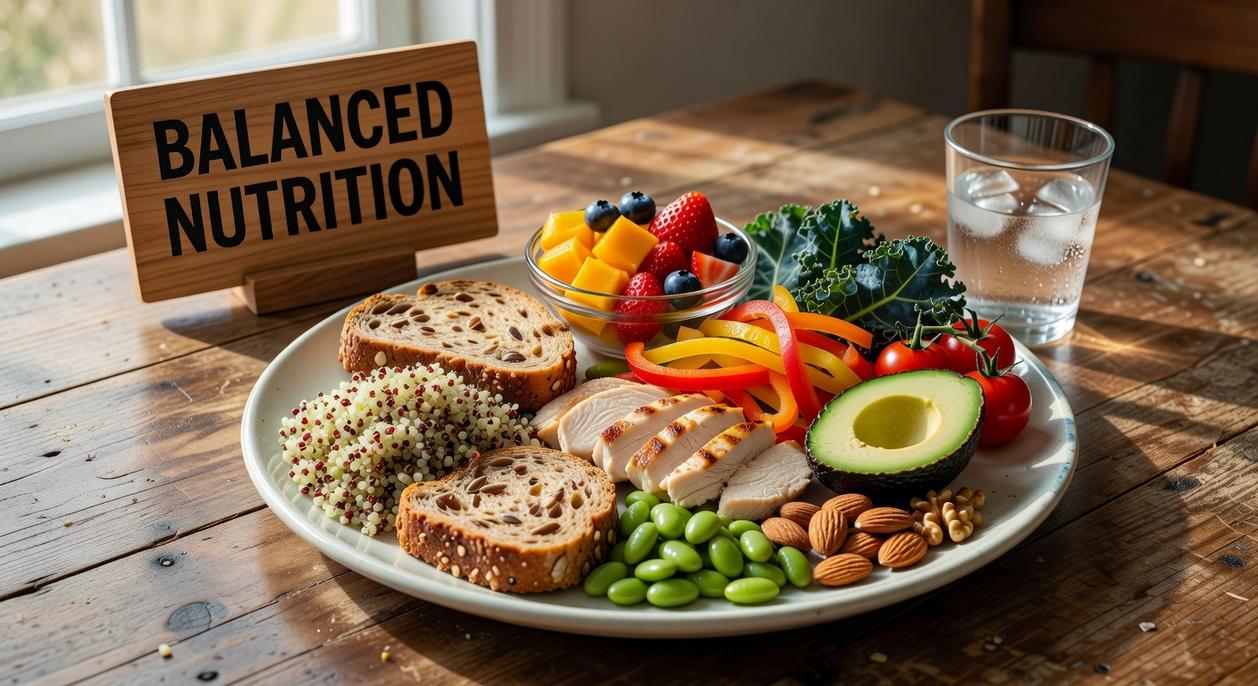
The fix? Balanced meal planning built around proteins, plants, smart carbs, and healthy fats. Think grilled chicken, quinoa, roasted veggies—simple, repeatable.
START SMALL. Map three dinners, prep staples, adjust weekly. Pro tip: cook once, eat twice.
Consistency beats perfection. When you PLAN WITH PURPOSE, choices become automatic—and that’s where change begins.
First, Define Your Plate: Aligning Meals with Your Health Goals
First things first, establish your “why.” Are you aiming for weight management, steady energy, muscle gain, or smoother digestion? Without a defined objective, even the cleanest-looking diet turns into guesswork. After all, eating “healthy” means different things depending on the outcome you want.
For example, muscle gain demands higher protein intake (think 30g at breakfast from eggs, Greek yogurt, or tofu), while sustained energy relies on complex carbohydrates and healthy fats like oats and avocado (Harvard T.H. Chan School of Public Health). Meanwhile, digestive health often improves with fiber diversity—beans, leafy greens, fermented foods (Mayo Clinic).
However, many plans stop at generic advice. The real advantage comes from translating vague goals into measurable actions: include a vegetable in every meal, drink 2 liters of water daily, or hit 25–35g of fiber per day.
In other words, balanced meal planning becomes strategic, not accidental. Define the target—then build your plate to hit it consistently.
The Anatomy of a Perfect Meal: Your Nutritional Blueprint*
The Foundational Fitness Plate Method
Think of your plate as a blueprint, not a math equation. The 1/2–1/4–1/4 rule means filling half your plate with non-starchy vegetables, one quarter with lean protein, and one quarter with complex carbohydrates. This visual system removes the need for calorie counting while still supporting balanced meal planning. Critics argue calorie tracking is more precise—and technically, they’re right. But precision without consistency fails. A simple structure you’ll follow beats a perfect plan you abandon.
Lean Protein Powerhouses
Chicken breast, salmon, tofu, lentils, eggs, and Greek yogurt deliver high biological value protein (how efficiently your body uses it). Protein increases satiety hormones and supports muscle repair after training (Phillips et al., 2016). Pro tip: aim for 20–30g per meal to maximize muscle protein synthesis.
Smart Carbs for Sustained Energy
Simple carbs digest quickly; complex carbs like quinoa, sweet potatoes, oats, and brown rice contain fiber that slows glucose release. That steadier energy curve helps avoid the 3 p.m. crash (and the vending machine regret).
The Importance of Healthy Fats
Avocado, olive oil, nuts, and seeds provide essential fatty acids that support hormone production and help absorb vitamins A, D, E, and K (Harvard T.H. Chan School of Public Health). Low-fat extremes once dominated diet culture, but eliminating fats can impair recovery and fullness. The goal isn’t fear—it’s function.
From Chaos to Control: A 5-Step Weekly Planning System
If your week feels like a food free-for-all, you don’t need more motivation—you need a system. Here’s the one I recommend.
Step 1: The “Shop Your Kitchen” Audit
Before you write a single item on your grocery list, check your pantry, fridge, and freezer. This simple audit prevents duplicate purchases and cuts food waste (the average U.S. household wastes about 30–40% of its food supply, USDA). Use what you already have first. Pro tip: Snap quick photos of shelves so you can reference them at the store.
Step 2: Map Your Week
Open your calendar. Late meetings? Kids’ activities? Plan 20-minute meals for those nights. Save new or complex recipes for slower days. This is balanced meal planning in action—matching effort to energy.
Step 3: Build a Recipe Library
Create 5–10 reliable meals you can rotate. Think:
- A sheet-pan protein + vegetables
- A hearty grain bowl
- A quick stir-fry
Decision fatigue is real (just ask anyone who’s stared into a fridge like it’s a Netflix homepage).
Step 4: Create a Master Shopping List
Organize by section: produce, protein, pantry, frozen. You’ll shop faster and avoid impulse buys.
Step 5: Prep for Success
Set aside 1–2 hours weekly for “component prep.” Chop vegetables, cook grains, marinate proteins. Weeknight dinners become assembly, not cooking (big difference).
Some argue planning kills spontaneity. I disagree. Structure creates freedom. When meals are handled, your energy goes where it matters most.
Staying on track when life gets chaotic isn’t about superhuman discipline; it’s about smart systems. I’ve learned that when my calendar fills up, my habits fall apart unless I simplify. The good news? A few practical tweaks can keep you consistent without turning your kitchen into a wellness laboratory.
Hack #1 – The “Cook Once, Eat Twice” Rule
Double your dinner recipe and pack leftovers for tomorrow’s lunch. It sounds almost too obvious (it is), but this single habit supports balanced meal planning and saves you from overpriced takeout.
Hack #2 – Embrace Theme Nights
Decision fatigue is real. Giving each night a theme—Meatless Monday, Taco Tuesday, Soup & Salad Thursday—creates structure without boredom. Some argue themes feel restrictive. I disagree. Constraints actually spark creativity.
Hack #3 – The Power of the Freezer
Your freezer is a time machine. Freeze chili, soups, or smoothie packs so future-you has options. Pro tip: label everything clearly.
Hack #4 – Repurpose Leftovers Creatively
Roasted chicken becomes chicken salad; vegetables turn into frittatas. Reinvention beats repetition, every time.
Your Journey to Consistent Wellness Starts Now
You have everything you need to turn chaotic eating into a system that supports your energy, mood, and long-term health. I firmly believe most people don’t fail at nutrition—they fail at structure. When you use balanced meal planning, you replace guesswork with clarity.
Instead of staring into the fridge at 6 p.m., you follow a simple plan. That shift removes overwhelm and builds confidence fast.
This works because it’s practical, not perfect. Real life is busy (and messy).
Start small this week: plan and prep three dinners. Build momentum. Results follow. Stay consistent.
Build a Healthier Routine That Actually Lasts
You started this guide looking for practical ways to improve your fitness, nutrition, and daily wellness habits. Now you have the tools to take control of your routines instead of feeling stuck, overwhelmed, or inconsistent.
The real challenge was never a lack of motivation — it was a lack of structure. Without a clear plan for workouts, smart recovery, and balanced meal planning, progress feels slow and frustrating. But when you combine foundational fitness routines with simple nutrition strategies and functional training, everything starts working together.
Your next step is simple: put this into action today. Choose one workout protocol, map out your balanced meal planning for the week, and commit to consistency over perfection.
If you’re tired of starting over every few weeks and want a proven, sustainable system that delivers real results, now’s the time to level up. Join thousands who rely on our trusted wellness strategies to stay strong, energized, and on track. Start today and turn these insights into lasting results.