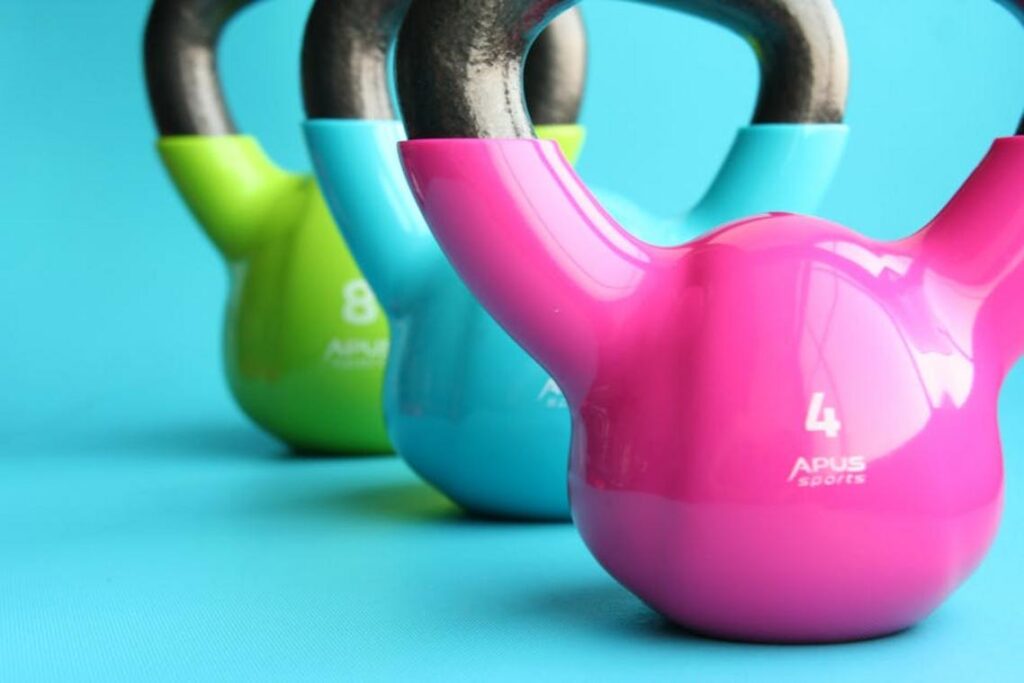
If you’re searching for a kettlebell workout routine that actually builds strength, burns fat, and improves conditioning without wasting hours in the gym, you’re in the right place. Many people struggle to find a plan that balances proper form, progressive overload, and full-body efficiency—often jumping between random exercises without seeing real progress.
This article is designed to solve that problem. You’ll get a clear, structured approach that combines foundational movements, functional training principles, and smart programming to help you train effectively whether you’re at home or in the gym.
We’ve drawn on proven strength and conditioning methodologies, current sports science research, and real-world coaching insights to ensure the routine is both safe and results-driven. By the end, you’ll understand not just what to do, but why it works—and how to adapt it to your fitness level for consistent, measurable gains.
Building strength does not require a room full of machines. A kettlebell, a cast iron weight with an offset handle (that offset load forces your stabilizer muscles to work harder), can deliver FULL-BODY power. Research in the Journal of Strength and Conditioning Research found kettlebell swings significantly improved strength and explosive power in adults. Yet many people swing randomly (that is like buying Thor’s hammer for paperweights).
Here is the structure:
• Hinge: swings or deadlifts
• Press: strict overhead presses
Combine them into kettlebell workout routine performed three times weekly. Pro tip: track reps and load. CONSISTENCY builds muscle.
Why Kettlebells Forge Real-World Power
Let’s be honest. Most gym routines feel disconnected from real life. You grind through machine exercises, isolate one muscle at a time, and still struggle to lift a heavy suitcase into the trunk. Frustrating, right?
Kettlebells flip that script. Instead of training parts, they train patterns. In other words, your body learns to move as one coordinated unit (the way it’s supposed to). That’s real-world strength.
Because the bell’s center of gravity is offset, your core has to fire constantly to stabilize every swing, press, and pull. Meanwhile, your grip works overtime just controlling the handle—no extra curls required.
And then there’s the metabolic punch. Unlike slow, static lifting, kettlebells blend strength with momentum, driving your heart rate up fast.
- Full-body integration for daily tasks
- Core stability under load
- Grip strength that actually carries over
- Higher calorie burn in less time
So if you’re tired of workouts that don’t translate, a kettlebell workout routine might be the missing link.
The 5 Essential Kettlebell Strength Exercises
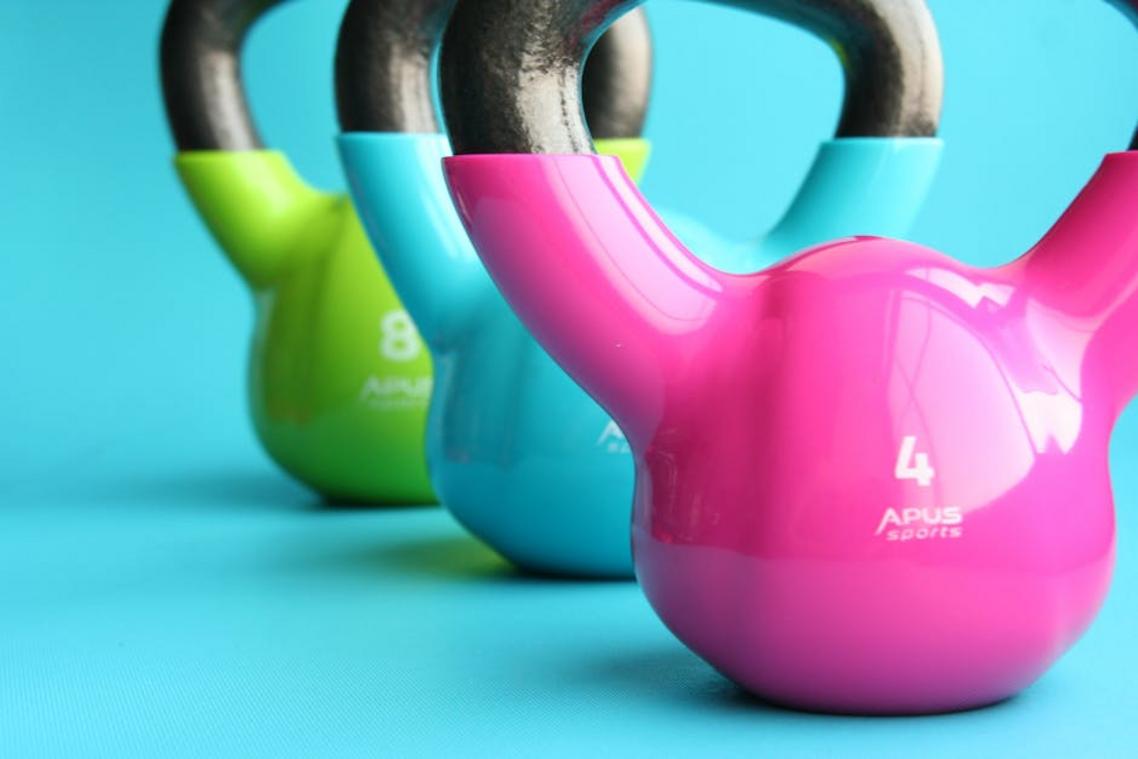
Kettlebells aren’t new (they’ve been around since 18th-century Russia), yet most modern programs still treat them like quirky dumbbells with handles. That’s a mistake. The real advantage of kettlebell training isn’t just strength—it’s integrated strength, where power, balance, and endurance develop together. While many guides recycle the same surface-level tips, here’s what actually sets an effective kettlebell approach apart: movement efficiency, joint resilience, and time density (getting more done in less time).
Below are five essential exercises that form a complete kettlebell workout routine without fluff or redundancy.
-
Kettlebell Swing
The swing is a ballistic hip hinge, meaning it trains explosive power from the posterior chain (glutes, hamstrings, lower back). Unlike slow deadlifts, swings build acceleration. Some critics argue swings are risky for beginners. However, when coached properly—neutral spine, hips driving back—they’re safer than many machine-based alternatives because they teach authentic hip mechanics. Studies show hip-dominant power training improves athletic performance and reduces injury risk (ACSM). -
Goblet Squat
Holding the bell at chest level counterbalances your weight, encouraging deeper, safer squats. This positioning naturally reinforces upright posture (your core has no choice but to engage). While barbell purists claim heavier loads matter more, mobility and control often deliver longer-term gains—especially for general fitness. -
Turkish Get-Up
Yes, it looks complicated. That’s the point. The Turkish get-up builds what’s called “shoulder stability through multiple planes of motion.” In real life, strength rarely happens in a straight line. Think of it as the Swiss Army knife of kettlebell drills (a little dramatic, but accurate). Research in the Journal of Strength and Conditioning Research highlights multi-joint stability work as critical for injury prevention. -
Kettlebell Clean and Press
This movement links lower-body drive to upper-body pressing strength. The clean phase teaches force transfer; the press develops shoulder and triceps power. Critics sometimes say it’s redundant if you already bench press. Yet the unilateral load (one side at a time) challenges core anti-rotation strength—a quality traditional presses often neglect. -
Single-Leg Romanian Deadlift
Here’s where most competitors fall short: they ignore unilateral balance work. The single-leg RDL corrects imbalances between sides and strengthens stabilizers around the knee and ankle. Pro tip: move slowly on the descent to maximize tension and control.
Transitioning these exercises into circuits also pairs perfectly with structured conditioning like high intensity interval training protocols for busy schedules, blending strength with metabolic demand.
Ultimately, kettlebell training wins because it respects how the body actually moves—integrated, rotational, and dynamic. While some argue machines are safer or barbells build more raw power, kettlebells uniquely bridge strength and function. And in a world where time is limited, that edge matters.
How to Build Your Weekly Kettlebell Workout Routine
Getting stronger isn’t random. It follows a principle called progressive overload—gradually increasing reps, sets, or weight so your muscles adapt. In simple terms, if you always lift the same bell for the same reps, your body has no reason to grow (it’s efficient, not ambitious).
Sample Full-Body Workout A
Start with:
- Goblet Squat 3×8
- Strict Press 3×6 per side
- Bent-Over Row 3×8 per side
Rest 60–90 seconds between sets. If you complete every rep with solid form, add a rep next week or move up in weight.
Sample Full-Body Workout B
Alternate with:
- Kettlebell Swings 10×10
- Turkish Get-Ups 3×1 per side
- Push-ups 3x As Many Reps As Possible
Swings build explosive power, while get-ups improve stability (they’re humbling, in a good way).
Structuring Your Week
For most people, 2–3 days works best. For example: Monday (Workout A), Wednesday (light cardio or rest), Friday (Workout B). This spacing allows recovery—where strength actually develops.
Choosing the Right Weight
Pick a kettlebell you can strict press 5–6 times with good form. If you’re swinging wildly or leaning back, it’s too heavy. When in doubt, master technique first. A balanced kettlebell workout routine always prioritizes quality over ego.
Strength isn’t built through flashy moves; it’s built through repetition. You already have the tools to create a powerful kettlebell workout routine, and now consistency becomes your edge. Some argue you need advanced variations to keep progressing. However, progressive overload—gradually increasing weight or reps—is what truly drives muscle adaptation (American College of Sports Medicine).
Start lighter than your ego prefers. Then focus on form, meaning precise, controlled movement through each range of motion. In time, power follows precision. Pro tip: film a set to check alignment. Ultimately, master basics first; complexity can wait. Consistency beats novelty every single time. Always.
Build Strength, Burn Fat, and Take Control Starting Today
You came here looking for a clear, effective way to make your kettlebell workout routine actually deliver results — not just leave you sweaty and guessing. Now you know how to structure your sessions, fuel your body properly, and train with purpose instead of randomness.
The real frustration isn’t a lack of effort. It’s wasting time on workouts that don’t move the needle. When your routine is built on smart programming, functional movements, and consistent progression, strength and fat loss stop feeling out of reach.
Now it’s your move.
Commit to this plan for the next 30 days. Follow the structure. Track your reps. Dial in your nutrition. Small, consistent improvements will compound faster than you think.
If you want proven routines, no-fluff guidance, and strategies trusted by thousands of performance-driven readers, start implementing these workouts today and stay consistent. Your stronger, leaner body is built one focused session at a time — begin your next workout now.