

Ever felt those annoying butterflies before a big day? Or had a gut feeling that just wouldn’t quit? You’re not alone.
These sensations aren’t random; they’re your gut and brain having a chat. We all know about mental health and digestion, but how often do we connect the two? This article is your mind-gut connection guide.
I’ll lay out the science behind this solid duo. No fluff, just real stuff you can use. You want to feel good, right?
Who doesn’t? I’ll give you actionable strategies to boost your mood and digestion. Trusted experts back this up with hard science.
Let’s move past the buzzwords and get to what really works. Stick around, and you’ll see how understanding this connection can change your life.
The Gut-Brain Axis: Your Body’s Two-Way Communication
Ever feel like your stomach’s trying to tell you something? That’s the gut-brain axis in action (it’s) like a biological superhighway, constantly buzzing with messages between your gut and brain. Picture it as an endless text message chain between two of your body’s most important organs.
The vagus nerve is the main highway, sending signals in both directions. It’s not just a one-way street. This nerve in how you feel, both physically and mentally (crazy, right?).
Now, let’s talk serotonin. Everyone calls it a “brain chemical,” but did you know up to 95% of serotonin is actually produced in your gut? Wild.
This affects your mood, sleep, and appetite more than you’d think. The gut isn’t just about digestion; it’s about how you feel every single day.
Then there’s the gut microbiome. Imagine a bustling city of trillions of microorganisms living in your gut. They’re not just hanging out; they influence brain function too.
How? By producing chemicals that travel to your brain, affecting how you think and feel.
This mind-gut connection guide is important for understanding yourself better. Our brains and guts have this epic communication system that science is just beginning to break down. If you’re curious about how this all ties into mental health, you might want to check out exploring emotional intelligence mental health.
It’s fascinating stuff, connecting the dots between our mental and physical selves.
So, next time your gut’s acting up, listen. It might be telling you more than you realize.
Gut Feelings: Stress Isn’t Silent
Ever feel like your gut’s in knots when you’re stressed? That’s not just in your head. When your mind is stressed, your gut hears it loud and clear.
Seriously. Stress and anxiety can translate into physical symptoms that you can’t just brush off (like IBS or acid reflux).
Here’s what happens: your body’s fight-or-flight response kicks in. Stress hormones like cortisol do their thing, and suddenly your digestion’s on pause. Blood rushes to your muscles, your heart races, and your gut?
It’s left hanging. This isn’t just theory. It’s science-backed reality.
And it’s not just about gut knots. Chronic anxiety can stir up symptoms of Irritable Bowel Syndrome (IBS). Those butterflies before a big presentation?
That’s your gut reacting to cortisol. Sudden stress can make you feel bloated or spark acid reflux. It’s a vicious cycle.
Stress affects your gut, which stresses you more.
But don’t despair! These symptoms aren’t just figments of your imagination. They’re valid and scientifically explained.
You’re not alone in this. In fact, the mind-gut connection guide explains it better than I could.
Pro tip: mindful breathing can help calm this chaos. It sounds simple, but it’s effective. Your gut wants peace, and with a little practice, you can give it that.
So next time your mind’s in overdrive, remember. Your gut’s listening. Take a deep breath.
You’re stronger than you think.
The Vicious Cycle: Gut and Mind in Sync
Ever wondered why your mood is off when your stomach’s in knots? It’s not just you. There’s a mind-gut connection guide that explains this.
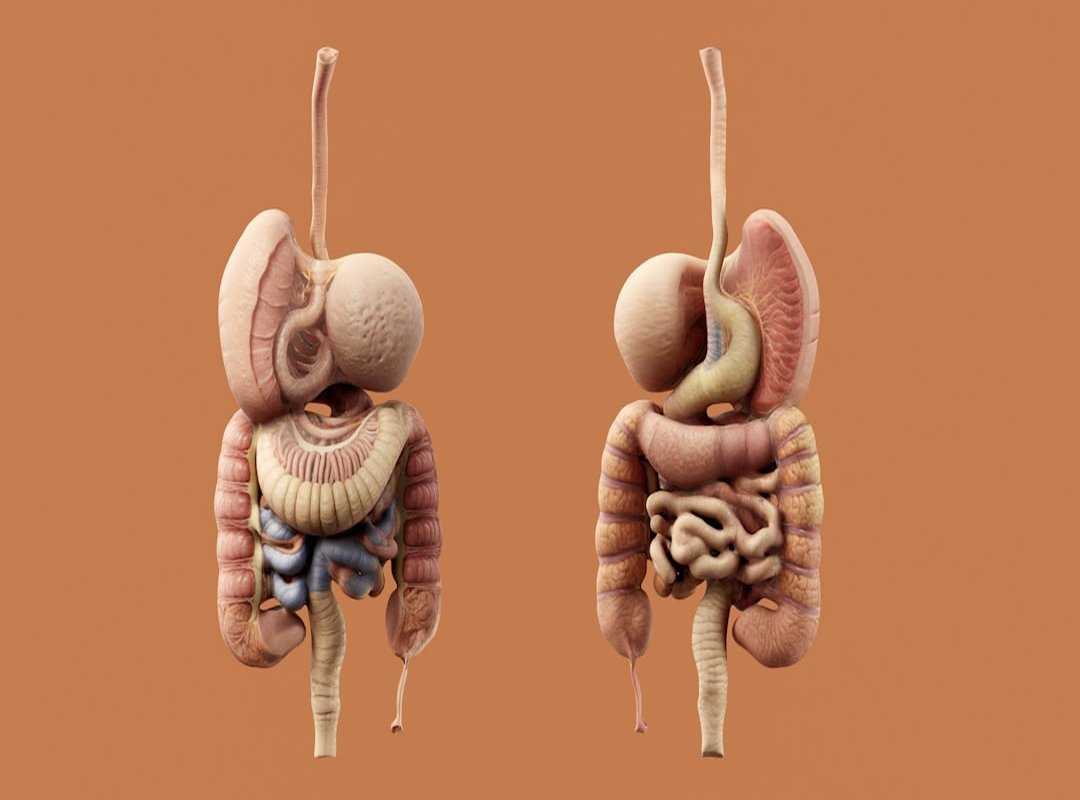
If your gut is unhappy, chances are your brain is too. Poor digestion can wreak havoc on your mental state, and it’s more common than you think.
Gut inflammation (often from poor diet or food sensitivities) doesn’t just mess with your stomach. It triggers systemic inflammation, which is linked to depression and anxiety. Think about it.
You eat junk, your gut gets inflamed, your brain suffers. It’s a vicious cycle.
But that’s not all. An unhealthy gut can’t absorb nutrients properly. Vitamins and minerals like B vitamins and magnesium are important for mood regulation.
When your gut’s out of whack, your brain doesn’t get what it needs. Suddenly, you’re anxious or depressed without knowing why.
Let’s talk about ‘leaky gut’ (sounds gross, right?). It’s when your intestinal lining gets permeable, letting substances into your bloodstream that shouldn’t be there. These can affect your brain, causing ‘brain fog’ (that) spacey, sluggish feeling you can’t shake.
Want to break the cycle? Start with your gut. Change your diet.
Heal that inflammation. Your brain will thank you. Curious about how other cultures maintain gut health?
Check out the longevity secrets worlds healthiest cultures. It’s a goldmine of tips.
So, is your gut the key to a happier mind? Absolutely. Get it right, and you’ll see the difference.
Your mental state might just depend on it.
Your Action Plan: 3 Pillars for a Healthier Mind and Gut
Let’s get real. The mind-gut connection is no fairy tale. It’s a science-backed reality.
Your gut and brain talk more than you and your best friend. So, what’s the plan? Here’s your mind-gut connection guide broken down into three solid pillars.
First, the Foundational Nutrition Plan. This isn’t about deprivation. It’s about adding the right stuff.
Probiotic-rich foods like yogurt and kimchi? They’re your new best friends. They help feed the good guys in your gut.
Prebiotic fibers from onions and garlic do the same. And let’s not forget anti-inflammatory foods. Omega-3s from salmon or walnuts are not just trendy.
They’re important. They fight inflammation, which is a sneaky villain in both gut and mental health.
Next, Functional Movement. Forget the gym rat mentality. We’re not looking for extremes here.
Moderate exercise like brisk walking or yoga does wonders. It lowers stress hormones and boosts those feel-good endorphins. Plus, it helps with gut motility.
Consistency is key. It’s not about how hard you go, but how often. Remember, your gut loves a steady routine.
Lastly, Daily Wellness & Stress Management. Stress is a silent killer, and your gut feels it. Ever noticed a stomach ache when you’re stressed?
Try deep breathing exercises. Diaphragmatic breathing can stimulate the vagus nerve, which is a game changer for your gut-brain axis. Mindfulness practices are not just for monks.
They help clear your mind and repair your gut. And sleep? It’s non-negotiable.
A consistent sleep schedule supports both mental clarity and gut health.
So, are you ready to take action? These pillars aren’t just tips. They’re a lifestyle.
Each step you take strengthens the bond between mind and gut. It’s time to listen to your body. Let’s make this journey count.
Control Your Gut, Free Your Mind
So, we’ve nailed it down: your mental and digestive health are linked. Now, you know both the science and the action plan. It’s time to take that first step.
Pick one change from our mind-gut connection guide and start today. Why wait? Feel better, think clearer.
Visit fntkhealthy.com to learn more. It’s your turn to break the cycle. Start small, but start now.
Your wellness journey begins with that first step. Ready?
 Ask Joseph Stronginers how they got into foundational fitness routines and you'll probably get a longer answer than you expected. The short version: Joseph started doing it, got genuinely hooked, and at some point realized they had accumulated enough hard-won knowledge that it would be a waste not to share it. So they started writing.
What makes Joseph worth reading is that they skips the obvious stuff. Nobody needs another surface-level take on Foundational Fitness Routines, Healthy Living Hacks, Functional Training Protocols. What readers actually want is the nuance — the part that only becomes clear after you've made a few mistakes and figured out why. That's the territory Joseph operates in. The writing is direct, occasionally blunt, and always built around what's actually true rather than what sounds good in an article. They has little patience for filler, which means they's pieces tend to be denser with real information than the average post on the same subject.
Joseph doesn't write to impress anyone. They writes because they has things to say that they genuinely thinks people should hear. That motivation — basic as it sounds — produces something noticeably different from content written for clicks or word count. Readers pick up on it. The comments on Joseph's work tend to reflect that.
Ask Joseph Stronginers how they got into foundational fitness routines and you'll probably get a longer answer than you expected. The short version: Joseph started doing it, got genuinely hooked, and at some point realized they had accumulated enough hard-won knowledge that it would be a waste not to share it. So they started writing.
What makes Joseph worth reading is that they skips the obvious stuff. Nobody needs another surface-level take on Foundational Fitness Routines, Healthy Living Hacks, Functional Training Protocols. What readers actually want is the nuance — the part that only becomes clear after you've made a few mistakes and figured out why. That's the territory Joseph operates in. The writing is direct, occasionally blunt, and always built around what's actually true rather than what sounds good in an article. They has little patience for filler, which means they's pieces tend to be denser with real information than the average post on the same subject.
Joseph doesn't write to impress anyone. They writes because they has things to say that they genuinely thinks people should hear. That motivation — basic as it sounds — produces something noticeably different from content written for clicks or word count. Readers pick up on it. The comments on Joseph's work tend to reflect that.