

I know how hard it is to figure out if what you’re seeing in yourself or someone you care about might be an eating disorder.
The signs aren’t always obvious. And even when you notice something feels off, it’s tough to know what you’re actually looking at or what to do next.
I’ve built this guide to help you recognize the real symptoms of eating disorders. Not the stereotypes or what you see in movies. The actual warning signs that matter.
eating disorder symptoms fntkhealthy covers the physical, emotional, and behavioral patterns you need to understand. I’ll walk you through what to watch for and give you clear first steps if you spot these signs.
This isn’t guesswork. Everything here is grounded in evidence-based research and vetted by wellness experts who work with these conditions every day.
You’ll learn how to identify symptoms early, understand what they mean, and find a safe path forward. Whether you’re worried about yourself or someone else, you’ll have a clear starting point.
No judgment. No oversimplification. Just honest information that helps you take action when it matters most.
Recognizing the Warning Signs: A Three-Part Framework
Most articles about eating disorder symptoms dump everything into one giant list.
You end up overwhelmed and confused.
Here’s what works better. I break warning signs into three clear categories. Think of it like sorting your symptoms into buckets so you can actually spot patterns.
Some experts say you should just watch for weight changes and call it a day. They argue that physical signs are the only real indicators. But that misses half the picture.
Eating disorders show up in how someone acts and thinks long before their body changes.
Let me walk you through what to actually look for.
Behavioral Symptoms
This is where things get visible. You might notice someone cutting their food into unusually small pieces or arranging it in specific patterns on their plate (it’s like watching someone follow invisible rules only they can see).
They start skipping social events that involve food. Birthday dinners. Work lunches. Anything where eating is expected.
Exercise becomes non-negotiable. Rain or shine, injured or healthy, they’re working out. And those bathroom trips right after meals? That’s worth paying attention to.
Emotional & Cognitive Symptoms
Now we’re looking at what’s happening inside their head.
The fear of weight gain becomes all-consuming. It’s not just “I want to look good.” It’s genuine terror at the thought of the scale moving up even a pound.
Their mirror shows them something different than what you see. Body image gets warped. And their entire self-worth starts hinging on that number they see when they step on the scale.
Mood swings come out of nowhere. Concentration tanks. Food thoughts take over everything else.
Physical Symptoms
This is what most people think of first when they hear eating disorder symptoms Fntkhealthy.
Weight changes are obvious, but they go both ways. Some people lose weight rapidly while others gain or fluctuate wildly.
Dizziness becomes normal. They’re always cold even when it’s warm out. Stomach problems show up constantly. And if you look close, their teeth might show damage from purging.
The difference between these three categories? Behavioral signs are what they do. Emotional signs are what they feel. Physical signs are what their body shows.
You need all three perspectives to see the full picture.
Understanding the Context: Common Types of Eating Disorders
I need to be clear about something upfront.
What I’m about to share isn’t a diagnosis tool. These are serious conditions that need professional evaluation. If you recognize these patterns in yourself or someone you care about, talk to a doctor or mental health specialist.
But understanding the basics helps you know when to seek help.
The Main Categories
Anorexia Nervosa shows up as severe food restriction. People with this condition have an intense fear of weight gain that drives them to eat very little. Sometimes almost nothing.
Bulimia Nervosa works differently. It’s a cycle. Binge eating followed by purging or other compensatory behaviors. The pattern repeats over and over.
Binge Eating Disorder involves eating large amounts of food quickly. Often to the point of physical discomfort. What makes it a disorder is the loss of control and the distress that comes with it.
Then there’s OSFED (Other Specified Feeding or Eating Disorder). Most people don’t fit neatly into textbook categories. OSFED covers those who still need real support and treatment but don’t match the exact criteria for other diagnoses.
Here’s what I think we’ll see more of in the coming years.
The lines between these categories will get blurrier. More people will recognize that eating disorder symptoms fntkhealthy conversations need to include the full spectrum. Not just the stereotypical presentations we see in media.
We’re already seeing this shift. Treatment centers are moving away from rigid diagnostic boxes and toward personalized care plans.
Some experts predict that by 2026, we’ll have entirely new classification systems. Ones that account for how these conditions actually show up in real life (which is messier than any textbook suggests).
What matters most? Recognizing that all of these require professional help. Whether someone fits perfectly into one category or bounces between several, the need for support stays the same.
How to Address the Symptoms: A Compassionate Action Plan
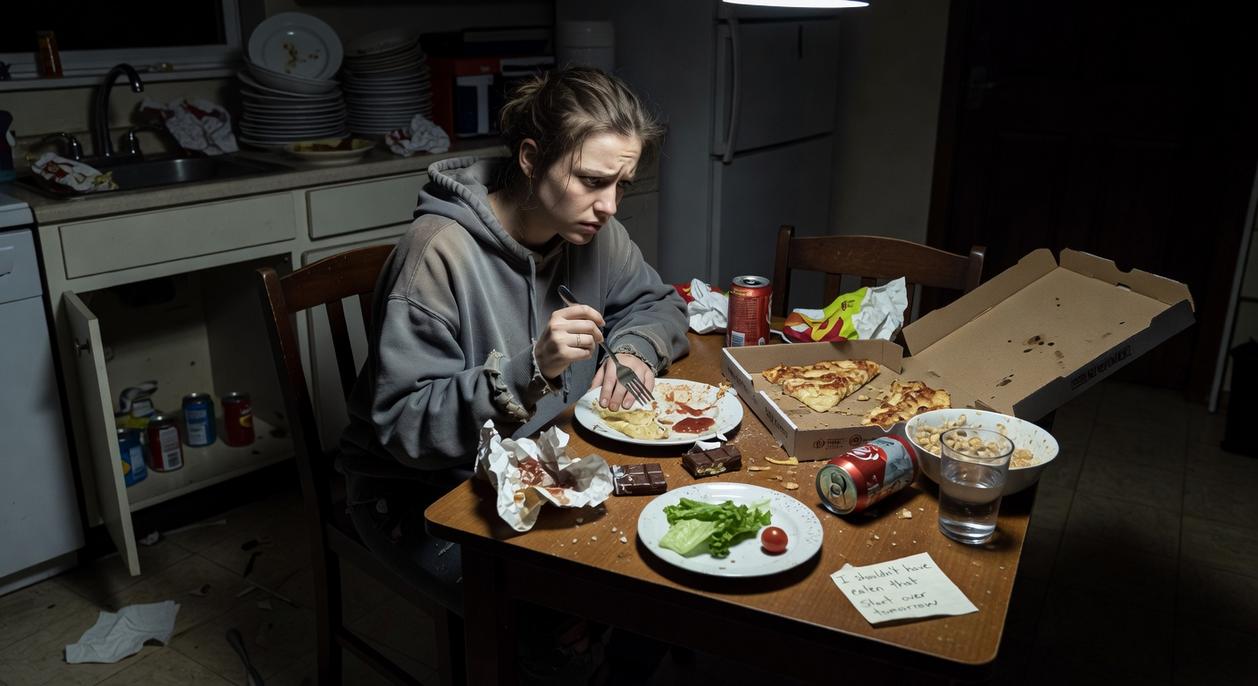
Look, I’m going to be honest with you.
This is the hardest part. Recognizing symptoms is one thing. Actually doing something about them? That takes real courage.
And I want you to know something upfront. Whether you’re reading this for yourself or someone you care about, there’s no perfect way to handle this. You’re going to feel uncomfortable. That’s normal.
If You Recognize Symptoms in Yourself
First, stop beating yourself up.
I mean it. The fact that you’re here reading this means you’re already taking a step most people avoid. That counts for something. I tackle the specifics of this in What Supplements to Buy Fntkhealthy.
Start simple. Grab a notebook and track how you feel before and after eating. Not what you ate (that can come later). Just your emotions. Were you stressed? Bored? Angry?
You might notice patterns you didn’t see before.
Here’s what I think matters most. Tell one person. Just one. Pick someone who won’t judge you or try to fix everything immediately. Sometimes saying it out loud makes it real in a way that helps.
Then look into eating disorder symptoms fntkhealthy and compare what you’re experiencing. This gives you language to describe what’s happening.
When you’re ready, find a therapist or dietitian who actually specializes in eating disorders. Not just someone who says they can help. Someone trained for this specific thing.
If You’re Concerned About a Loved One
This is where most people mess up.
They come in hot with accusations or comments about weight. Don’t do that. It never works the way you think it will.
Instead, pick a private moment. No audience. No distractions.
Use I statements. “I’ve noticed you seem stressed around meals” works better than “You’re not eating enough.” See the difference? One opens a conversation. The other shuts it down.
Offer to help them find resources through a health guide fntkhealthy. But don’t push. You can’t force someone to get help before they’re ready.
Pro tip: Write down what you want to say beforehand. When emotions run high, it’s easy to say the wrong thing.
The goal here isn’t to solve everything today. It’s just to open the door. I walk through this step by step in The Benefits of Hydration Fntkhealthy.
The Path Forward: Why Professional Help Matters
I’m going to be straight with you.
Eating disorders don’t just go away because you want them to.
I’ve talked to dozens of people who thought they could handle it alone. One woman told me, “I kept thinking if I just tried harder, I’d snap out of it.” She didn’t. Not until she got real help.
Here’s what most people don’t realize about eating disorder symptoms fntkhealthy. They’re not just about food. They’re medical conditions wrapped up with psychological stuff that runs deep.
Self-help books? They’re a start. But they’re not a cure.
Some folks argue that therapy is too expensive or that they can figure it out themselves. I get the hesitation. Treatment costs money and admitting you need help feels vulnerable.
But going it alone usually means suffering longer.
What actually works is a team approach. I’m talking about a therapist who gets eating disorders, a registered dietitian who won’t just hand you a meal plan, and a doctor who can monitor the physical side of things.
Dr. Sarah Mitchell, an eating disorder specialist I spoke with, put it this way: “Recovery isn’t linear and it’s not something you white-knuckle through by yourself.”
She’s right.
So where do you start? The National Eating Disorders Association has a helpline that connects you with resources. Or talk to your primary care doctor and ask for a referral to someone who specializes in this stuff.
You don’t have to figure this out alone.
Taking the First Step Towards a Healthy Lifestyle
You came here because something felt off.
Maybe you noticed changes in yourself or someone you care about. The signs weren’t always obvious but they were there.
I get it. Eating disorder symptoms can be confusing and scary to recognize. You don’t want to overreact but you also don’t want to ignore what’s right in front of you.
The hardest part isn’t spotting the signs. It’s knowing what to do next.
That fear of saying the wrong thing or making it worse can stop you in your tracks. But here’s the truth: awareness is where healing starts.
You now understand the eating disorder symptoms to watch for. You know the initial steps that can make a difference.
The most effective approach is simple. Be compassionate. Stay informed. Drop the judgment.
Whether you’re concerned about yourself or someone else, this knowledge isn’t meant to turn you into a diagnostician. It’s meant to help you start a conversation.
Talk to someone you trust. Reach out to a healthcare professional who understands these issues.
Seeking help isn’t weakness. It’s one of the strongest things you can do.
Visit fntkhealthy for more guidance on building a foundation that supports real wellness. Your next conversation could change everything.
 Ask Kenneth Weldoneverico how they got into wellness buzz and you'll probably get a longer answer than you expected. The short version: Kenneth started doing it, got genuinely hooked, and at some point realized they had accumulated enough hard-won knowledge that it would be a waste not to share it. So they started writing.
What makes Kenneth worth reading is that they skips the obvious stuff. Nobody needs another surface-level take on Wellness Buzz, In-Depth Wisdom, Healthy Living Hacks. What readers actually want is the nuance — the part that only becomes clear after you've made a few mistakes and figured out why. That's the territory Kenneth operates in. The writing is direct, occasionally blunt, and always built around what's actually true rather than what sounds good in an article. They has little patience for filler, which means they's pieces tend to be denser with real information than the average post on the same subject.
Kenneth doesn't write to impress anyone. They writes because they has things to say that they genuinely thinks people should hear. That motivation — basic as it sounds — produces something noticeably different from content written for clicks or word count. Readers pick up on it. The comments on Kenneth's work tend to reflect that.
Ask Kenneth Weldoneverico how they got into wellness buzz and you'll probably get a longer answer than you expected. The short version: Kenneth started doing it, got genuinely hooked, and at some point realized they had accumulated enough hard-won knowledge that it would be a waste not to share it. So they started writing.
What makes Kenneth worth reading is that they skips the obvious stuff. Nobody needs another surface-level take on Wellness Buzz, In-Depth Wisdom, Healthy Living Hacks. What readers actually want is the nuance — the part that only becomes clear after you've made a few mistakes and figured out why. That's the territory Kenneth operates in. The writing is direct, occasionally blunt, and always built around what's actually true rather than what sounds good in an article. They has little patience for filler, which means they's pieces tend to be denser with real information than the average post on the same subject.
Kenneth doesn't write to impress anyone. They writes because they has things to say that they genuinely thinks people should hear. That motivation — basic as it sounds — produces something noticeably different from content written for clicks or word count. Readers pick up on it. The comments on Kenneth's work tend to reflect that.