I’ve spent years cutting through the garbage fitness advice that floods your feed every single day.
You’re here because you’re tired of conflicting information. One expert says carbs are evil. Another swears by them. Someone tells you to train six days a week while someone else says that’s overtraining.
It’s exhausting.
Here’s what I know: most fitness and health advice online is either incomplete or designed to sell you something you don’t need. The basics that actually work get buried under the latest trend.
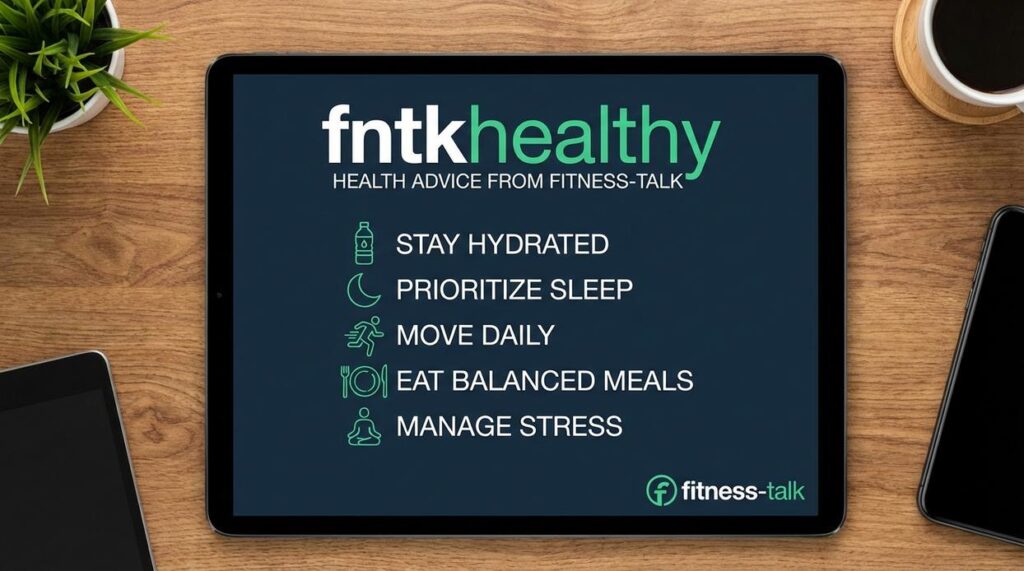
This is where fntkhealthy comes in. We focus on what works long term, not what gets clicks.
I’m going to give you a framework built on exercise science and nutrition principles that have stood the test of time. No fads. No quick fixes that fall apart after three weeks.
Our approach comes from health professionals who care about foundational wellness. We test what we recommend. We use it ourselves.
You’ll get expert advice you can start using today. Real protocols for functional training, daily nutrition strategies that fit your life, and wellness practices that actually stick.
No hype. Just what works.
Pillar 1: Foundational Fitness Routines That Build Real Strength
You don’t need a complicated workout plan.
I know that sounds too simple. Especially when your Instagram feed is full of people doing circus-level exercises with names you can’t pronounce.
But here’s what I’ve learned after years of training. The basics work better than anything else.
Some trainers will tell you that you need variety to keep your muscles guessing. They’ll say switching up exercises every week is the secret to growth.
I disagree.
Your muscles don’t need to be confused. They need to be challenged with movements you can actually get better at. That means sticking with core compound lifts like squats, deadlifts, push-ups, and rows.
Here’s a simple weekly template I recommend:
Monday: Full-body (squat focus)
Wednesday: Full-body (push focus)
Friday: Full-body (pull focus)
That’s it. Three sessions. No fancy splits or seven-day programs that you’ll quit by Thursday.
Let me break down one movement so you can see what proper form looks like. Take the goblet squat.
Hold a dumbbell or kettlebell at chest height. Feet shoulder-width apart. Toes slightly out. Drop your hips between your legs (not back like you’re sitting in a chair). Keep your chest up. Go as low as your mobility allows. Drive through your whole foot to stand.
The goblet squat teaches you to squat correctly before you load a barbell on your back. It’s safer and you’ll feel it working right away.
Now here’s the part most people mess up. Getting stronger isn’t about doing random workouts until you’re exhausted.
It’s about progressive overload. That just means doing a little more over time.
Add one more rep this week. Add five pounds next week. That’s it. Small jumps that your body can handle without breaking down.
I see too many people (especially those recovering from issues like eating disorder fntkhealthy challenges) try to do too much too fast. Your body needs time to adapt.
Pro Tip: Use the 5-Minute Rule on days when you don’t feel like working out. Tell yourself you’ll just move for five minutes. Usually, you’ll keep going once you start. But even if you don’t, you’ve built the habit. And that matters more than any single workout.
Consistency beats intensity every time.
Pillar 2: Daily Nutrition Strategies for Sustainable Energy
You don’t need another diet.
I spent two years watching people cycle through restrictive eating plans. They’d lose weight for six weeks, then gain it all back by month three. Same story every time.
Here’s what actually works.
Think of food as fuel. Not as something you need to avoid or feel guilty about.
When I started coaching people on nutrition back in 2021, I dropped all the complicated macros and calorie counting. Instead, I taught them one simple visual: the Plate Method.
The Plate Method That Actually Sticks
Fill half your plate with vegetables. A quarter with protein. The last quarter with complex carbs like sweet potatoes or brown rice.
That’s it.
No measuring. No apps. Just look at your plate and adjust.
Some nutritionists say this approach is too simple. They argue you need precise macro tracking to see real results. And sure, if you’re prepping for a bodybuilding competition, maybe you do.
But for most of us? That level of detail just leads to burnout.
I’ve seen the Plate Method work for people who failed at every other approach. It gives you structure without making you obsess over every gram of food.
Why Protein Changes Everything
Protein does three things that matter.
It repairs your muscles after you train. It keeps you full so you’re not raiding the pantry at 9 PM. And it fires up your metabolism in ways that carbs and fats don’t.
After six months of tracking client progress, I noticed something. The people who hit their protein targets ALWAYS felt better and saw faster changes.
Here are five sources I recommend:
Chicken breast (boring but effective)
Greek yogurt (24g per cup)
Eggs (the whole egg, not just whites)
Salmon (bonus omega-3s)
Lentils (if you don’t eat meat)
You don’t need fancy protein powders. Though they can help if you’re in a rush.
Water Isn’t Optional
I know you’ve heard this before.
But here’s what most articles don’t tell you. Even 2% dehydration drops your strength by up to 10% and tanks your energy levels within an hour (according to research from the American College of Sports Medicine).
That sluggish feeling at 2 PM? Probably not caffeine withdrawal. You’re just thirsty.
Simple formula: take your body weight in pounds and divide by two. That’s how many ounces you should drink daily. Add 16 more ounces for every hour you work out.
The fntkhealthy approach to nutrition isn’t about perfection. It’s about building habits you can maintain when life gets messy.
Pro Tip: Try Meal Prep Lite this week. Don’t cook every single meal on Sunday (that’s exhausting). Just prep ONE component. Grill a bunch of chicken. Roast three sheet pans of vegetables. Chop your veggies and store them in containers.
When dinner rolls around and you’re tired, you’ve already done half the work. Makes choosing the healthy option way easier than ordering takeout.
Pillar 3: Functional Training for a Body That’s Ready for Anything
You know those moments when you’re hauling groceries up three flights of stairs and your arms start shaking?
Or when you’re playing with your kids and realize you can’t get up off the floor without grabbing onto something?
That’s your body telling you something.
Traditional gym workouts miss the point. You can bench press 200 pounds but struggle to move a couch. You can do leg extensions all day but feel wobbly carrying a box down the basement stairs.
Some trainers say isolation exercises are the foundation of strength. They’ll tell you to focus on bicep curls and leg extensions because they “target specific muscles.”
And sure, there’s a place for that. Building individual muscle groups has value.
But here’s what they don’t tell you.
Your body doesn’t work in isolation. When you pick up your kid, you’re not just using your biceps. You’re using your core, your legs, your grip, and your balance all at once.
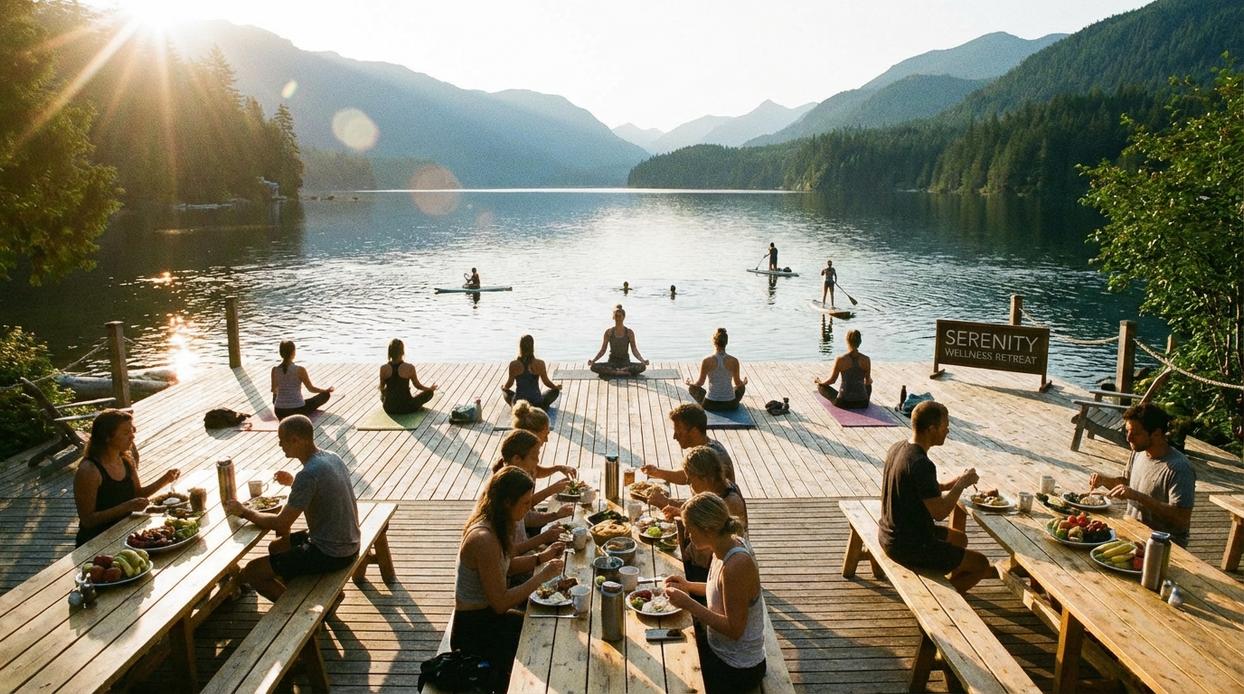
That’s where functional training comes in. It’s training for LIFE, not just the gym.
What Functional Training Actually Means
Think about your daily movements. Carrying bags. Climbing stairs. Bending down to tie your shoes. Getting up from a chair.
Functional training mimics these real-world activities. You’re teaching your body to move the way it’s supposed to move.
Movements That Actually Matter
Here are some exercises that translate directly to everyday strength:
- Farmer’s walks – Grab two heavy objects (dumbbells or kettlebells work) and walk. This builds grip strength and core stability like nothing else.
- Turkish get-ups – Start lying down with a weight overhead, then stand up while keeping that weight stable. Sounds simple but it works everything.
- Bear crawls – Get on all fours and crawl forward. Your shoulders and core will thank you later (or curse you, depending on how you look at it).
Making the Switch
You don’t need to overhaul your entire routine.
Start small. Swap ONE isolation exercise for ONE functional movement per workout.
Instead of bicep curls? Try farmer’s walks.
Instead of leg extensions? Do goblet squats while holding a weight at chest level.
You’ll notice the difference in about two weeks.
The Get Up Off the Floor Challenge
Here’s something I want you to try RIGHT NOW.
Sit down on the floor. Now stand up without using your hands.
Can you do it?
This simple test is a proven indicator of functional strength and longevity. Research shows people who can do this have better mobility and lower mortality risk.
Practice it a few times a week. Your future self will appreciate it.
Pillar 4: Simple Healthy Living Hacks for Maximum Impact
You can nail your workouts and eat clean all week.
But if you’re sleeping four hours a night and stressed out of your mind, you’re fighting an uphill battle.
I learned this the hard way. A few years back, I was training hard and tracking every macro. But I kept my phone next to my bed and scrolled until midnight most nights. I told myself I was fine because I was still hitting the gym.
Turns out I wasn’t fine at all.
My recovery tanked. My appetite went haywire. I’d crave junk food even after eating a solid meal (your body does weird things when it’s sleep deprived).
Here’s what actually matters when it comes to sleep and muscle recovery. When you sleep, your body releases growth hormone and repairs tissue. Without enough quality sleep, you’re basically working out for nothing.
Three things that helped me fix my sleep:
I started going to bed at the same time every night. Even on weekends. Your body loves routine more than you think.
I banned screens an hour before bed. Yeah, it sucked at first. But the difference in how I felt was worth it.
I kept my room cool and dark. Like actually dark, not just dim.
Now let’s talk about stress because this one sneaks up on you.
Chronic stress pumps cortisol through your system. That hormone tells your body to hold onto fat and break down muscle. So all that work you’re putting in at the gym? Stress is actively working against it.
I used to think stress management was just for people who couldn’t handle pressure. Wrong. Managing stress is just smart training.
Two things that work:
Box breathing when you feel wound up. Breathe in for four counts, hold for four, out for four, hold for four. Repeat a few times. It sounds too simple to work but it does.
A 10 minute walk without your phone. Just you and your thoughts. I do this every morning and it sets my whole day right.
But here’s the real secret to all of this.
You don’t need to be perfect. You just need to be consistent.
I see people try to overhaul their entire life in one week. New workout plan, new diet, new sleep schedule, meditation practice, the works. Then they burn out in two weeks and quit everything.
Doing good enough every day beats doing perfect once in a while. That’s just how bodies work.
Want to know the easiest way to build new habits? Stack them onto things you already do.
After you brush your teeth in the morning, do 10 squats. After you pour your coffee, drink a glass of water. After you get home from work, change into workout clothes before you sit down.
Your brain already has the first habit locked in. You’re just adding one small thing to it.
I messed up plenty of times trying to figure out what supplements to buy fntkhealthy before I realized the basics matter more than any pill ever will.
Sleep well. Manage your stress. Show up consistently.
That’s it. That’s the formula.
Your Path to Sustainable Health Starts Now
You came here looking for real answers about getting healthier.
Not another quick fix or trendy diet that falls apart in two weeks. You wanted something that actually works.
I’ve shown you the four pillars that matter: foundational fitness, smart nutrition, functional movement, and daily habits that stick. This is how you build health that lasts.
The confusion stops here. You don’t need to sort through a hundred conflicting opinions anymore.
FNTK Healthy gives you straightforward health advice from fitness talk that’s grounded in what actually works. No gimmicks or overcomplicated protocols.
Here’s your next move: Pick one tip from this guide. Just one.
Commit to it for seven days. That’s it.
Maybe you start walking after dinner. Maybe you add protein to breakfast. Maybe you do five minutes of stretching before bed.
That single step is where your transformation begins. Not next month or after the holidays. Right now.
The integrated approach works because it builds on itself. Each small win creates momentum for the next one.
You’ve got the roadmap. Now take that first step.