Ever hit 5 PM and think, “What’s for dinner?” You’re not alone. Many want to meal prep to hit their health goals but get overwhelmed. It feels like a puzzle with too many pieces.
I get it. I’ve seen people struggle, and I know it doesn’t have to be that way. Eating healthy shouldn’t mean spending hours in the kitchen or giving up your life.
You want something sustainable, not a rigid system. meal prepping hacks come in. I’ve spent years in nutrition, helping folks build habits that last without the stress. This article offers simple, actionable tips to fit into your busy life.
By the end, you’ll have a clear plan to start meal prepping this week. Save time, money, and ditch the dinner panic. Ready?
Ditch the All-or-Nothing Mindset: Start Small, Win Big
Ever feel like you need to prepare 21 perfect meals every week? That mindset is the biggest mental block in meal prepping. You don’t need to be a superhero.
Start small. Prep just lunches for three days (or pre-chop your veggies). By doing this, you build confidence and chip away at what seems impossible.
It’s about transforming that mountain into something you can actually scale.
Meal prep isn’t the goal. Let’s get that straight. Hitting your protein target is.
Meal prep is just how you make it easy. If you’re focused on the outcome rather than the process, it feels more like a tool and less like a chore. It’s like when you want to watch a movie.
You don’t think about setting up the TV, you just want to enjoy the film.
Here’s a pro tip. Schedule a ‘Power Hour’ on your calendar. Block out 60-90 minutes a week.
This brief, consistent effort beats a tiring 4-hour session every time. Consistency is key. Trust me, you’ll appreciate that time you save when your week gets hectic.
Want to balance your plate? Check out understanding macros balance your plate. It’s not just about prepping meals; it’s about aligning them with your nutritional goals.
Remember, small steps lead to big wins. So why not start today?
Your Game Plan: Smart Shopping and Simple Recipes
Ever stand in a grocery aisle, paralyzed by choices? I have. It’s why focusing on the planning phase is key.
Cut out the guesswork and food waste. How? Build a theme for your week.
Think “Taco Bowl Week” or “Mediterranean Week.” This way, your grocery list and cooking steps practically write themselves.
Here’s a simple formula for a balanced grocery list: Grab two lean proteins (chicken or tofu work great). Add two or three complex carbs (quinoa’s my go-to). Pick four or five non-starchy veggies (like spinach and bell peppers).
Finally, toss in one or two healthy fats. Avocados, anyone? Keep it straightforward.
Don’t overthink it.
What about recipes? Stick to ones with five to seven ingredients. No more.
You want minimal steps, especially if you’re just starting out. Trust me, the simpler, the better. Ever tried meal prepping hacks?
They can change your kitchen game entirely.
Pro tip: Shop your pantry first. You’d be surprised at how much is already sitting there. It saves cash and cuts down on waste.
Why buy another can of beans when you’ve already got three? Makes sense, right?
Be honest: Are you overcomplicating dinner? Simplicity wins every time. Those extra ingredients and steps?
Toss them. Focus on the basics and watch your stress melt away. You’ll be wondering why you didn’t start this sooner.
Cooking doesn’t have to be a chore if you plan right. So, what’s your theme this week?
The Cook-Up: Time-Saving Kitchen Tactics
I’ve got a confession: I can’t stand spending hours in the kitchen. It’s why I’m all about meal prepping hacks. Let’s dive into a game-changer: Component Prepping vs.
Meal Prepping. Why lock yourself into five days of the same meal when you can mix and match? Cook a batch of quinoa, roast some chicken, and chop veggies.
Now you’ve got the flexibility for whatever you crave.
Batch cooking is another lifesaver. The oven isn’t just for one dish. Roast a huge tray of veggies on one rack while baking protein on another.
It’s like turning your oven into a meal factory. Ever tried using a slow cooker or pressure cooker for proteins? It’s a hands-off dream come true.
Spend five minutes tossing ingredients in, and hours later, boom: tender meat ready for the week.
Now, let’s talk workflow. You want efficiency? Set up an assembly line.
Wash and chop all your produce first. Then cook everything. Finally, portion it out.
It sounds simple, but it’s a game changer for cutting down time.
And let’s not forget about grains. Cook them in large batches, then freeze portions in single-serving bags. It’s like having instant rice, but healthier and tastier.
On a side note, while you’re revamping your kitchen routine, consider the choosing right supplements beginners guide. It’ll help you keep your nutrition on point. Who says you can’t have both efficiency and health?
Beat the Boredom: How to Keep Your Meals Exciting
Eating the same thing every day is a drag. Trust me, I’ve been there. You start looking at your plate and wonder, is this really all there is?
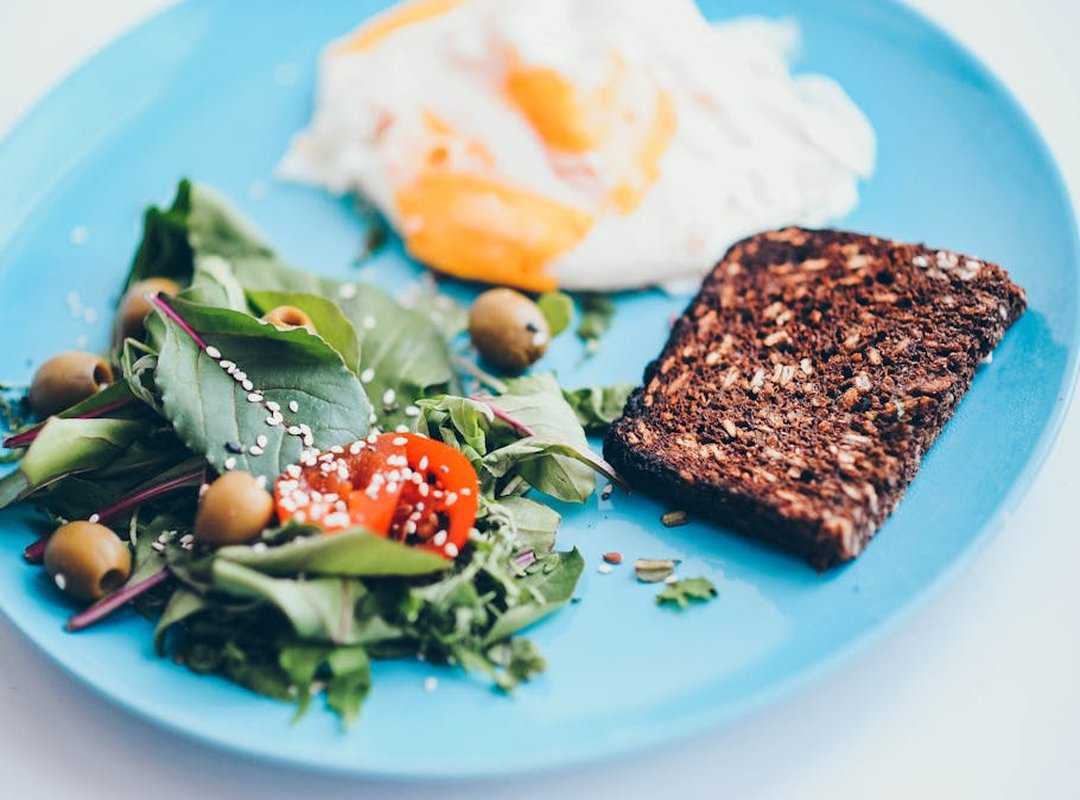
But there’s a way out. It’s called the Sauce and Spice Plan. You won’t believe how a simple lemon-tahini dressing can turn bland into brilliant.
Or how a yogurt-dill sauce can make you feel like you’re dining at a fancy restaurant.
Let’s talk meal prepping hacks. Component prepping is key. If you’ve got chicken, quinoa, and broccoli prepped, you’re halfway there.
One day it’s a grain bowl, the next it’s a salad. It’s all about creativity. And if you think you’re not creative, you’re wrong.
Just think of it as mixing and matching, like your wardrobe. Same pieces, different outfit.
Now, let’s not forget the finishing touches. Ever tried adding fresh herbs right before eating? Cilantro or parsley can change everything.
A squeeze of lime juice wakes up the flavors. And don’t underestimate the power of a sprinkle of feta cheese or some toasted nuts. They add texture, which is often overlooked but so important.
Mistakes? Oh, I’ve made them. Like drowning my food in sauce (it’s not soup).
Or forgetting the fresh elements and ending up with a meal that tasted like leftovers. The lesson? Less is more.
And always add fresh elements last. It keeps things lively and prevents sogginess. Remember, it’s about balance.
Your taste buds will thank you.
Store It Right: Keep Food Fresh, Not Funky
You know what’s worse than leftovers? Soggy, unappetizing leftovers. I mean, who wants to eat that?
Letting food cool completely before sealing it in containers is a must. Why? It stops condensation and bacterial growth (your gut will thank you later).
And here’s a meal prepping hack: keep sauces and dressings separate until serving. Store leafy greens with a paper towel to soak up moisture. Oh, and don’t fully cook pasta or rice if you plan to reheat.
Leave it slightly al dente. It’s like giving your future self a high-five.
Simplify Your Weekdays with Easy Prep
Meal prep can feel like a huge, stressful chore. But it doesn’t have to be. By starting small and using meal prepping hacks, you can make this a sustainable habit.
Your challenge this week: Don’t prep everything. Just pick one tip from this list and prep your lunches for the next three days.
 Ask Kenneth Weldoneverico how they got into wellness buzz and you'll probably get a longer answer than you expected. The short version: Kenneth started doing it, got genuinely hooked, and at some point realized they had accumulated enough hard-won knowledge that it would be a waste not to share it. So they started writing.
What makes Kenneth worth reading is that they skips the obvious stuff. Nobody needs another surface-level take on Wellness Buzz, In-Depth Wisdom, Healthy Living Hacks. What readers actually want is the nuance — the part that only becomes clear after you've made a few mistakes and figured out why. That's the territory Kenneth operates in. The writing is direct, occasionally blunt, and always built around what's actually true rather than what sounds good in an article. They has little patience for filler, which means they's pieces tend to be denser with real information than the average post on the same subject.
Kenneth doesn't write to impress anyone. They writes because they has things to say that they genuinely thinks people should hear. That motivation — basic as it sounds — produces something noticeably different from content written for clicks or word count. Readers pick up on it. The comments on Kenneth's work tend to reflect that.
Ask Kenneth Weldoneverico how they got into wellness buzz and you'll probably get a longer answer than you expected. The short version: Kenneth started doing it, got genuinely hooked, and at some point realized they had accumulated enough hard-won knowledge that it would be a waste not to share it. So they started writing.
What makes Kenneth worth reading is that they skips the obvious stuff. Nobody needs another surface-level take on Wellness Buzz, In-Depth Wisdom, Healthy Living Hacks. What readers actually want is the nuance — the part that only becomes clear after you've made a few mistakes and figured out why. That's the territory Kenneth operates in. The writing is direct, occasionally blunt, and always built around what's actually true rather than what sounds good in an article. They has little patience for filler, which means they's pieces tend to be denser with real information than the average post on the same subject.
Kenneth doesn't write to impress anyone. They writes because they has things to say that they genuinely thinks people should hear. That motivation — basic as it sounds — produces something noticeably different from content written for clicks or word count. Readers pick up on it. The comments on Kenneth's work tend to reflect that.